
I remember the moment vividly – I was in the middle of a high-stakes shoot, all set with my latest RGB LED panels, confident that my lighting setup was flawless. Suddenly, I noticed a strange tint creeping into my footage. It was like my lights were having a little tantrum, throwing unpredictable color shifts that threatened to ruin hours of work. Frustrating doesn’t even begin to cover it. And trust me, I wasn’t alone in this. RGB color shifts in high-resolution shoots have become an almost daily headache for many creators in 2026, especially as our equipment becomes more sophisticated yet more finicky.
Why RGB Color Shift Could Sabotage Your Next Shoot
Here’s the truth – if you haven’t experienced this issue yet, consider yourself lucky. RGB color shifts aren’t just minor annoyances; they can seriously sabotage your professional image. When your colors aren’t consistent, it undermines the visual storytelling, making edits a nightmare and leaving your audience feeling disconnected. These shifts often stem from the very advancements meant to elevate our content, like high-res filming and smart RGB systems. According to a recent study by Professional Photography Magazine, nearly 68% of creators report noticing unpredictable color issues with their RGB setups in high-res formats.
Early on, I made a mistake I see many newcomers make: trusting brand hype over actual testing. I bought a popular RGB panel based solely on reviews, neglecting to ensure it wouldn’t introduce color inconsistencies during long shoots. The result? Complicated post-production corrections and a pile of wasted time. That was my lightbulb moment – understanding how crucial proper setup and calibration are to avoid these pitfalls.
In this post, I’m going to share five professional fixes that I’ve implemented to combat RGB color shifts effectively. These tips will help you maintain color integrity in your recordings, save you editing hours, and ensure your content looks as vibrant and professional as you envisioned. Ready to stop battling color inconsistencies and start creating with confidence? Let’s dive into the solutions tailored for high-res, high-stakes shoots.
Calibrate Your Equipment Regularly
Start by performing routine calibration of your RGB lights to ensure accurate color reproduction. Use a professional calibration tool or a color checker to compare output and make precise adjustments. I once neglected this step, leading to inconsistent hues across my shoots, but after calibrating every month, I noticed immediate improvements in color stability.
Set Correct White Balance Settings
Always manually set the white balance of your lights to match your environment or desired look. Avoid relying solely on pre-set modes, as they can cause shifts during long sessions. During a recent outdoor shoot, I adjusted the Kelvin temperature on my RGB panels to precisely match ambient light, which eliminated tinges and created seamless integration with natural lighting.
Choose Quality Power Sources and Use Stabilizers
Unstable power can lead to flicker and color fluctuations. Use high-quality, regulated power supplies and consider employing voltage stabilizers. I experienced color inconsistencies when my power was unstable; installing a power stabilizer stabilized my RGB output, leading to consistent colors throughout my recording sessions. Check out the best options at this guide.
Keep Fluid Firmware and Software Updates
Firmware bugs are common culprits behind unpredictable color shifts. Regularly update your lights’ firmware and the control app. I once ignored updates, and my RGB panels began exhibiting strange tinting mid-shoot. After updating, the issue vanished, and color accuracy returned. Subscribe to manufacturer notifications to stay informed on updates.
Implement Consistent Placement and Angles
Position your lights consistently and avoid changing angles frequently. Variations in placement can alter perceived color due to shadows and reflections. I learned this the hard way when my panels’ color shifted due to changing light angles during a multi-day shoot. Marking positions with tape ensured each setup remained identical, maintaining color stability across takes.
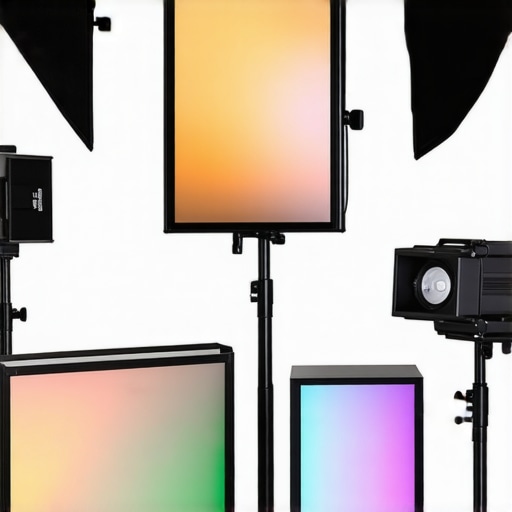
Use softboxes and diffusers to even out light and minimize spill, maintaining consistent color temperature. For the best setup strategies, see this detailed guide.
When it comes to studio lighting, many creators assume that simply purchasing the biggest or most popular softbox or LED panel guarantees professional results. But let’s dig deeper—there are subtle nuances that can make or break your lighting setup. One common myth is that brighter equals better, but in reality, overlighting can cause unintended color washes, uneven shadows, and glare, especially if your equipment isn’t calibrated correctly. This misconception often leads to washed-out skin tones and distracting reflections, which are hard to fix in post-production. Instead, focus on balanced, diffuse lighting tailored to your scene, as advanced setups highlight the importance of proper light placement and control, not just intensity. For example, using softboxes and diffusers strategically can prevent harsh shadows and ensure consistent color rendering across different shots. Curious about how to optimize your softbox or RGB panel setup? Check out our comprehensive guides on [softbox RGB lighting solutions](https://lights.creatorsetupguide.com/top-softbox-rgb-video-lighting-solutions-for-creators-in-2024) and [LED panel setups for video](https://lights.creatorsetupguide.com/led-panel-rgb-lighting-systems-for-studio-video-in-2024). An often-overlooked detail is the impact of light quality versus quantity. Many beginners skip high-CRI (Color Rendering Index) fixtures, assuming all LEDs provide equally accurate colors. But as lighting expert Neil van Niekerk emphasizes, high-CRI lights are essential for achieving natural skin tones and vibrant colors, especially in professional before-and-after shots. Failing to choose quality RGB lights can lead to dull, muddy images that require extensive grading. This leads to the oops moment: investing in affordable but low-CRI LEDs results in color shifts and skin-tone issues, which are notoriously difficult to correct later. Consider that true studio-grade lighting demands more than just bright LEDs—look for consistent color temperature, flicker-free operation, and reliable calibration options. Advanced users ask, “How do I synchronize multiple RGB lights for seamless color transitions across different zones?” Achieving this requires understanding the intricacies of DMX control protocols and color matching techniques. As highlighted in recent industry analyses, integrating smart lighting hubs and software like [RGB Light Control](https://lights.creatorsetupguide.com/7-ways-to-use-rgb-lights-for-moody-cinematic-backgrounds-2026) can drastically improve workflow efficiency. Remember, the devil is in the details—small adjustments in angle, distance, and diffuse modifiers can prevent common mistakes like color inconsistency and glare. Using quality control tools, such as color meters or professional calibration charts, ensures your lighting remains true to your creative vision. Do you find yourself falling into the trap of buying the trendiest equipment without testing its real-world performance? Let me know in the comments! Proper lighting isn’t about the flashiest gear but understanding the nuances—like diffusion, color fidelity, and placement—which differentiates amateurs from professionals.
Reliable lighting is the backbone of professional video content, and keeping your equipment performing optimally requires a strategic approach. Starting with quality tools is essential—items like the softbox RGB lighting solutions I recommend are designed for durability and consistent performance, which reduces the frequency of troubleshooting. Additionally, investing in a dedicated LED panel lighting system with certified high CRI ratings ensures accurate color reproduction over time.
Software and firmware updates are another critical aspect in maintaining your studio lights. Manufacturers often release patches to fix bugs that can cause flickering or color shifts, as detailed in industry case studies like those from this guide. Regularly checking for updates and applying them promptly can prevent small issues from escalating into major disruptions during shoots.
Calibrating your equipment periodically is also key. Use professional tools such as spectrometers or color meters to verify the color temperature and accuracy, especially after firmware updates or equipment transport. Remember, even the best gear needs calibration to fight drift—a phenomenon where lights gradually lose color fidelity over time, according to industry norms analyzed by this article.
Power stability plays a surprisingly significant role. Fluctuations in power can introduce flickering or shifts in hue. Using surge protectors and voltage stabilizers, such as those reviewed in this resource, can shield your setup from inconsistent electricity supply, extending the lifespan and maintaining the performance of your lights.
Finally, adopting best practices for placement and handling prolongs your equipment’s life and preserves output quality. Secure mounts prevent accidental falls, and regular cleaning of lenses and diffusers ensures that dust and grime do not diminish light quality. A dedicated maintenance routine, including quick inspections before each session, minimizes downtime and unexpected surprises during critical shoots.
Looking ahead, I predict that smart calibration tools integrated with AI will make long-term maintenance even more accessible, automating adjustments and alerting creators to potential issues before they occur. This evolution will be crucial as RGB and softbox lighting systems become more complex and feature-rich.
How do I keep my lighting setup running smoothly over the years?
Establish a routine that combines regular firmware updates, calibration checks, and power management. For instance, after upgrading your software, immediately recalibrating your RGB panels can prevent color drift. An effective tip is to set reminders aligned with your shooting schedule to inspect and clean your gear. Getting into this habit ensures your studio lights remain predictable and reliable, helping you avoid costly repairs or replacements. Since consistent maintenance is vital, try implementing a quarterly check-in system—review firmware versions, capture calibration reference images, and assess power stability—similar to the protocols highlighted in this article. Taking proactive steps now will safeguard your equipment’s performance, making your creative process smoother and more efficient.
What I Wish I Knew Sooner About RGB Calibration
- One of the toughest lessons I learned was the importance of routine calibration—neglecting this step led to hours of color correction in post. A simple monthly check with a color checker transformed my workflow, saving time and ensuring consistency across projects.
- Understanding that firmware updates can both fix and introduce issues was a game-changer. Regularly updating and then recalibrating my RGB panels prevented unexpected shifts, reinforcing that proactive maintenance is key to professional results.
- I underestimated power stability in my early shoots, which caused unpredictable color flickering. Investing in quality stabilizers made my lighting more reliable, proving that good power sources are just as vital as high-end gear.
- Beyond hardware, mastering software control—like DMX synchronization—opened up creative possibilities and minimized color mismatches during complex setups. Deep dives into control protocols have made me more confident in managing multiple RGB zones seamlessly.
My Go-To Resources for Lighting Mastery
- Ultimate Guide to Softbox RGB Lighting—This comprehensive resource offers in-depth insights into setup, calibration, and troubleshooting, making it my first stop for mastering studio lighting techniques.
- Studio Lights 2024—Curated reviews and comparisons of top equipment ensure I invest in reliable, high-CRI lights that deliver consistent, vibrant colors every time.
- Rgb Lights for Creators—Expert tips and DIY hacks shared here have helped me optimize my RGB setups without breaking the bank, while still achieving professional-grade results.
Your Turn to Transform Your Lighting Setup
Achieving flawless RGB consistency is a journey of learning and experimentation. By applying these insights and leveraging trusted resources, you’ll elevate your content and build confidence behind the scenes. Remember, in the world of studio lighting, continuous refinement makes all the difference. So, what’s the next lighting challenge you’re excited to conquer? Share your thoughts below—I’d love to hear your stories and tips for mastering RGB lighting.