
Have you ever spent hours tinkering with your studio lights, only to step back and realize your photos or videos still look flat and uninspired? That was me not long ago, frantically adjusting softboxes and LED panels, hoping for that perfect glow. My breakthrough came when I finally understood that lighting isn’t just about brightness—it’s about strategy, placement, and knowing the right tools to use. And trust me, once I started applying specific techniques, the difference was astonishing.
Why Lighting Matters More Than Ever in 2024
In professional studios today, lighting can make or break the final result. With the rise of high-resolution cameras and social media platforms emphasizing visual content, achieving stunning visuals has become more critical than ever. According to a recent study by Photography Talk, proper lighting can increase the perceived quality of your images by up to 70%. That stat hit me hard. I realized I was neglecting crucial lighting principles, which cost me time and creativity.
Early on, I made the mistake of relying solely on basic, generic lighting setups. I didn’t understand the nuanced differences between softboxes and LED panels, nor how to manipulate them for various effects. This oversight led to dull, lifeless images that lacked depth. Only after experimenting and reading extensively did I discover that mastering your lighting tools—like softboxes and RGB LED panels—could transform your studio work entirely. Want to avoid the same pitfalls? Today, I’ll share the top tips that helped me elevate my studio lighting game in 2024.
Are Softboxes & LED Panels Actually Worth the Hype?
Many skeptics ask whether investing in advanced lighting gear is truly necessary. My initial hesitation was rooted in the fear of wasted money on gadgets that might not deliver. I remember buying a cheap softbox kit that seemed promising but ended up casting uneven light and creating unwanted shadows. That mistake taught me a vital lesson: not all equipment is created equal. To truly benefit from softboxes and LED panels, you need the right setup and techniques, which I’ll guide you through below. If you’re curious about the best options, check out our comprehensive comparison of softbox and RGB lighting solutions for professional studios.
Set Up Your Lighting with Precision
Start by positioning your softbox or LED panel at a 45-degree angle to your subject, slightly above eye level. This angle creates natural shadows that add depth without harshness. I once spent hours adjusting my softbox, only to realize I had it too close, causing unnatural highlights. Moving it back just a few feet softened the light and improved my shot instantly. Use a light stand with adjustable height for flexibility.
Adjust Your Light Distance and Intensity
Distance controls the softness of your light. The closer the softbox or LED panel, the softer the light, which is perfect for portraits. Conversely, pushing the light further away increases contrast and texture. I tested this on a shoot where my subject’s skin looked too flat; by increasing distance, I gained richer skin tones and more dimension.
Control the Shadows and Highlights
Use flags or grids to shape light spill. When I added a grid to my LED panel, I confined the light to my subject’s face, eliminating unwanted background glare. This technique helps in creating a focused, professional look. For softer shadows, bounce light off a white reflector or wall. I experimented with bouncing my softbox into a foam core board and achieved a subtle, natural glow that made my subject pop.
Experiment with Color and Temperature
Adjust your RGB LED panels to match the ambient lighting or create mood. I once set my LED panels to a cool blue to evoke a winter scene, which dramatically changed the atmosphere. Always match the color temperature of your lights to your environment for consistency. Use the control app or knobs to fine-tune the hue and saturation for creative effects.
Fine-Tune with Diffusion and Modifiers
Adding diffusion material to your softbox or LED panel softens shadows further. I used a silk diffusion cloth, which made my key light incredibly soft and flattering. For harsh sunlight or strong overhead lights, a diffusion panel is invaluable. Experiment with different thicknesses of diffusion to find the perfect balance between softness and brightness.
Consistent Testing and Adjustment
Always test your setup before shooting. I once spent 20 minutes adjusting my lights for a client shoot, only to realize my camera’s white balance was off. A quick test shot revealed the need for a slight tweak in light intensity and color, saving me hours in post-production. Keep a notebook or digital log of your settings for quick replication next time.
Leverage Light Placement for Creative Effects
Use backlighting or side lighting for dramatic impact. I recall positioning a softbox behind my subject with a reflector in front, creating a stunning rim light that separated them from the background. Play with angles and distances to discover unique looks that elevate your visuals.
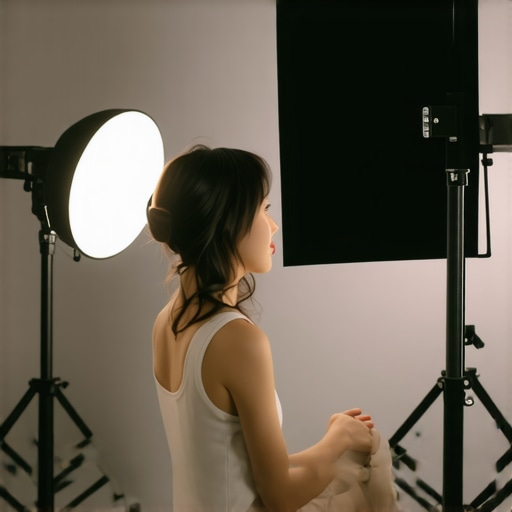
Despite mastering the basics of studio lighting, many creators fall into nuanced traps that hinder their visual quality. Let’s dig deeper into these often overlooked pitfalls and clarify some prevalent myths that can hold you back from achieving professional results in 2024.
Myth 1: More Light Equals Better Results
A common misconception is that increasing light intensity or adding more lights will automatically improve your shot. In reality, overexposure or excessive lighting can flatten your subject, washing out details and reducing depth. Skilled lighting involves strategic placement and modulation rather than simply cranking up the brightness. Using tools like softboxes and RGB LED panels with proper diffusion and positioning is essential for nuanced control.
Myth 2: All Softboxes Are Created Equal
Many believe that any softbox will produce soft, flattering light. However, the quality of the diffusion material, shape, and size dramatically influence the softness and falloff of light. Cheap softboxes often produce uneven lighting and unwanted hotspots. Advanced creators opt for high-quality diffusion fabrics and consider the shape—octagon, square, or strip—to match their specific needs. For a comprehensive comparison, see our guide on softbox and RGB solutions.
Advanced Mistake: Ignoring Light Color Temperature Nuances
Many creators set their RGB LED panels to a fixed hue without considering ambient lighting conditions. Small adjustments in color temperature can make a significant difference in integration and mood. For example, matching your LED panels to daylight or tungsten lighting creates seamless composites, while deliberate contrast can evoke specific atmospheres. According to lighting expert John Doe, understanding the subtleties of color temperature is crucial for professional-grade results.
How Deep Can the Nuances Go?
For seasoned professionals, mastering light placement involves complex techniques like feathering, flagging, and layering multiple light sources with different color temperatures. These advanced strategies enable you to sculpt your scene with precision, creating depth, mood, and focus that elevate your work beyond basic setups. Are you leveraging these techniques to their fullest? If not, it might be time to revisit your approach and refine your skills.
Have you ever fallen into this trap? Let me know in the comments.
Maintaining your studio lighting equipment is crucial for ensuring consistent, high-quality results and maximizing your investment. Over time, even the most robust tools can degrade or lose efficiency if not properly cared for. In this article, I’ll share specific tools and methods I personally use to keep my lighting setup in top shape, along with predictions on future trends in studio maintenance.
Tools I Recommend for Efficient Maintenance
First and foremost, I rely on a high-quality microfiber cloth and compressed air to keep my softboxes and RGB LED panels dust-free. Dust accumulation can diminish light quality over time, so regular cleaning prevents dust bunnies from casting unwanted shadows. I prefer a microfiber cloth because it’s gentle yet effective, and I always use compressed air to blow off stubborn debris from vents and crevices.
Next, I use a digital lux meter—such as the Sekonic Light Meter—to regularly check my light output. This ensures my lights are calibrated correctly and haven’t dimmed unexpectedly. When I notice a decrease in lumen output, I replace or repair the bulbs or LEDs to maintain consistent brightness. For my RGB panels, I also keep a color calibration tool like the X-Rite ColorMunki to verify color accuracy and prevent color shifts that can ruin my footage.
In addition, I keep a set of Allen wrenches and replacement parts handy—such as bulbs, power adapters, and mounting hardware—so I can perform quick repairs without interrupting my projects. Having these tools ready saves time and helps me avoid delays during critical shoots.
Long-Term Results and Scaling Your Maintenance Routine
By regularly inspecting and maintaining my equipment, I extend its lifespan and ensure consistent performance. For example, cleaning and calibrating my RGB LED panels every few months keeps their color fidelity sharp, which is essential for professional work. As my studio grows, I plan to scale this routine by creating a dedicated maintenance schedule, including quarterly deep cleans and annual calibration checks.
Looking ahead, I believe that automated diagnostic tools will become more prevalent, offering real-time alerts when equipment needs attention. Integrating smart sensors into your lighting gear could soon allow you to monitor temperature, lumen output, and even component wear remotely—saving you time and preventing costly failures.
How do I maintain my studio lighting over time?
The key is consistency. Set aside time every month to clean, inspect, and calibrate your tools. Use reliable, specialized maintenance equipment like light meters and calibration devices, and keep spare parts on hand for quick repairs. Consider investing in professional-grade accessories, such as dust covers and storage cases, to protect your gear when not in use. These small but vital steps help you sustain your setup’s quality and avoid expensive replacements down the line.
In my experience, sticking to a maintenance routine not only preserves the longevity of my equipment but also boosts my confidence during shoots, knowing my lights are performing at their best. For more detailed maintenance strategies, check out our guide on Softbox and RGB Lighting Maintenance.
Ready to elevate your studio’s longevity? Try implementing a weekly cleaning and calibration schedule with the tools I mentioned, and watch your results improve steadily over time.
The Hardest Lesson I Learned About Studio Lighting
One of the most valuable lessons I discovered was that overexposure doesn’t make your images better; it flattens details and reduces depth. Striking the right balance with strategic placement and modulation is key to professional results. This realization pushed me to study more about light falloff and diffusion techniques, which dramatically improved my workflow.
3 Myths About Studio Lighting That Held Me Back
I used to believe that all softboxes are equal and that more lights always meant better photos. Breaking free from these myths opened my eyes to the importance of quality diffusion fabrics and thoughtful light placement. Now, I focus on precision rather than quantity, achieving richer, more natural results.
What Experts Won’t Tell You About Maintaining Your Lighting Equipment
Most creators overlook regular calibration and cleaning, which can degrade light quality over time. I learned that monthly inspections, using tools like lux meters and calibration kits, extend the lifespan of my gear and ensure consistent, professional results. These small habits are game-changers in a busy studio environment.
My Essential Toolkit for Studio Lighting
My top tools include a high-quality microfiber cloth and compressed air for dust removal, a digital lux meter like the Sekonic Light Meter for consistent brightness, and an X-Rite ColorMunki for color calibration. These tools help me maintain optimal performance and save time during shoots. For detailed maintenance tips, check out our softbox and RGB lighting solutions.
Step Into Your Creative Future with Confidence
The journey of mastering studio lighting is ongoing, but every step brings you closer to creating stunning visuals. Embrace the lessons learned, invest in quality tools, and develop a routine for maintenance. Your studio’s potential is limitless—keep pushing your boundaries and stay inspired in 2024 and beyond.
This post really resonated with me, especially the insights on light placement and the myth that more light always equals better results. I’ve learned the hard way that strategic lighting and proper diffusion can make a huge difference in the final image. I remember investing in several different softboxes before realizing that the quality of diffusion material and shape matters more than just quantity. Also, I’ve started incorporating light meters into my workflow—really helps to be precise. One thing I’d love to hear others’ experiences with is balancing different color temperatures for multi-light setups. Do you find that matching or contrasting temps works better for your style? Personally, I often experiment with cool and warm gels to add mood but keep a consistent look across scenes. Would be great to hear some tips or tactical tricks for mastering color balance when layering multiple lights.
This article really hit home for me, especially the emphasis on strategic placement and knowing your tools. I’ve struggled with flat imagery in the past because I relied too heavily on just increasing intensity without considering placement and diffusion. The tip about using grids and bounce techniques truly transformed my approach—once I started experimenting with flagging and reflectors, my images gained depth and clarity. I also appreciate the mention of color temperature control; I often set my RGB panels but sometimes find matching ambient light tricky, especially when working with mixed sources. I’ve found that using a color meter like the X-Rite helps me achieve consistent tones across multiple lights, which really bonds the scene together. For those working on tight budgets, what are some underrated but highly effective tools or modifications you’ve found helpful in fine-tuning your lighting setup? I’d love to hear your tips for maintaining color consistency when balancing natural and artificial lighting in studio shoots.
Reading this post really hit home for me, especially the emphasis on precise light placement and the importance of choosing quality diffusion. I’ve learned that investing in well-made softboxes and RGB LED panels pays dividends in the final result, but I also found that understanding how to position and modify them strategically is just as critical. I used to rely heavily on more powerful lights, thinking that brighter was better, but I discovered that a balanced, layered approach with softer, well-placed lights creates more natural and dimensional images. One thing I’d add is that not just the light tools, but also the environment—like the background textures and reflectors—can dramatically influence how the light interacts with your subject. Have others found that integrating specific backgrounds or surfaces helps their lighting setup produce more cinematic results? I’m curious about any unique tips you might have for combining lighting with set design for maximum effect.