
Have you ever set up your studio lights, only to find your footage looking flat, yellowish, or just plain off? I remember my first attempts—spending hours fiddling with cheap softboxes and RGB panels, hoping for that perfect glow, only to end up frustrated with inconsistent results. It was a lightbulb moment when I realized that the right lighting setup isn’t about throwing money at the problem but understanding the nuances of softboxes and RGB lights that can transform your video quality from amateurish to professional-looking.
Why Getting Your Lighting Right Changes Everything
In my early days, I overlooked the importance of proper lighting, thinking that high-end cameras would compensate for bad illumination. Nope. Good lighting is the backbone of great video. It shapes your scene, sets the mood, and highlights your subject’s best features. According to a recent study, proper lighting can improve viewer engagement by up to 40%—a staggering figure that shows just how much impact light quality has on your content. From color accuracy to shadow control, mastering your softbox and RGB setup is the secret sauce for professional results. If you’ve been struggling to find reliable tips or feel overwhelmed by the myriad of options, don’t worry. I’ve been there, and I’ve learned a few tricks along the way that I’m eager to share.
Is RGB Lighting Actually Worth the Hype?
One mistake I made early on was investing in cheap RGB panels without understanding their true purpose. I thought they were just for fun color effects, but with the right setup, RGB lights can add depth, mood, and professionalism to your videos. The trick is knowing how to use them effectively—balancing color temperature, brightness, and placement. For a comprehensive guide on choosing the best RGB LED panels, check out this resource. It helped me avoid common pitfalls and elevate my studio’s visual appeal.
So, have you faced the challenge of making your studio lighting work for your videos? If so, you’re not alone. In the upcoming sections, I’ll walk you through proven strategies for selecting the perfect softboxes and RGB lights, setting them up for maximum effect, and avoiding those costly mistakes that can ruin your shot. Ready to light up your content and create stunning visuals? Let’s dive in.
Choose Your Softboxes Wisely
Start by selecting a softbox that matches your space and shooting style. For small studios, a 24×24 inch softbox is versatile and easy to position. In my first setup, I used a cheap, large umbrella instead of a softbox, which caused uneven light and harsh shadows. Switching to a proper softbox made a noticeable difference, softening my light and creating a professional look. To maximize softness and control, opt for softboxes with high-quality diffusers and sturdy frames. Check out these softbox tips for more insights.
Position for Perfection
Position your softbox at a 45-degree angle to your subject, slightly above eye level. This angle mimics natural light and reduces unflattering shadows. I recall setting my softbox too close, which washed out my face. After repositioning it farther back and angling it properly, my videos looked much more natural and appealing. Use a light meter or your camera’s histogram to fine-tune the exposure. Remember, the goal is to create a soft, even glow that highlights your features without harsh edges.
Harness the Power of RGB Lights
RGB LED panels are game-changers for creative lighting. They allow you to add color, mood, and depth to your scenes with simple adjustments. I initially bought an RGB panel without reading the manual, and struggled with inconsistent colors. Once I learned to set the correct color temperature and use presets effectively, my videos gained a cinematic quality. For detailed guidance, visit this comprehensive resource.
Balance Brightness and Color
Start by setting your RGB panel to a neutral white to match your softbox. Then, experiment with subtle color accents—like warm amber or cool blue—to add mood. I once used a bright red to create a dramatic scene, but overused it, making my shot look unnatural. The key is subtlety; use color sparingly and test how it interacts with your softbox lighting. Adjust brightness levels to ensure the RGB light complements, not overpower, your main soft light.
Strategic Placement for Dynamic Effects
Position RGB lights to side or behind your subject for rim lighting or background accents. I placed an RGB panel behind my setup, which created a vibrant background glow, elevating my visuals. Use adjustable stands and ensure your lights can be easily repositioned. Combining softboxes with RGB accents is an art—balance the intensity and hue to craft a scene that feels lively yet natural. For more on advanced placement, see this guide.
Avoid Costly Mistakes
Don’t skimp on quality diffusers or cheap RGB panels. Poor diffusion results in harsh shadows, and low-quality LEDs can flicker or color shift during recording. I once bought a cheap RGB light that flickered every time I changed the color, ruining my shot. Investing in reputable brands and proper accessories—like diffusers and stands—ensures consistent, professional results. Always test your setup with a quick recording before your actual shoot to catch issues early.
By carefully selecting, positioning, and balancing your softboxes and RGB lights, you can dramatically improve your video quality. Practice these steps, tweak as needed, and watch your studio transform into a professional-grade setup that’s ready to impress your audience.
While it’s tempting to focus solely on choosing the brightest or most colorful RGB LEDs, many creators miss a crucial aspect that can dramatically impact their video quality. The real secret isn’t just in the specs but in understanding how subtle nuances affect your lighting setup. Let’s dig deeper into what most people get wrong about softboxes and RGB lights, and how mastering these details can elevate your productions.
Why Bigger Isn’t Always Better When Picking Softboxes
It’s a common misconception that larger softboxes automatically produce better light. In reality, the size of your softbox should match your shooting space and the specific look you want. Oversized softboxes can flood your scene with diffuse light, reducing contrast and making your subject appear flat. Conversely, smaller softboxes provide more control and sharper shadows, which can add depth and dimension. The key is to understand the nuances of diffusion and how it interacts with your camera’s aperture and lens. For advanced setups, consider using grid attachments to control spill and focus the soft light precisely where you want it. For detailed softbox tips, check out these insights.
The Trap of Relying on RGB Color Cycling
Many creators think that cycling through vibrant colors during a shoot adds cinematic flair. But the truth is, rapid color changes can be distracting and even jarring if not timed correctly. The real power of RGB lights lies in subtle, intentional accents—adding warmth, coolness, or depth to your scene rather than flashing rainbow hues. Advanced users often employ color gels or software presets to match the mood. Remember, the human eye perceives color shifts differently depending on context and lighting ratios. Overusing RGB effects can undermine your scene’s professionalism. For smarter lighting, experiment with balanced color integration.
How to Avoid the Common Mistake of Ignoring Light Placement
Placement is everything—yet it’s often overlooked in favor of just turning on the lights. The nuance here is understanding how light angle, distance, and height shape your scene’s mood and realism. For example, placing a softbox too close can cause harsh shadows, while too far away might produce a flat, underlit look. Similarly, positioning RGB panels behind your subject for rim lighting can add depth, but only if their hue and intensity are finely tuned. An advanced trick involves using multiple light sources at different angles and color temperatures to sculpt the scene dynamically. For more detailed placement strategies, see this guide.
Have you ever fallen into this trap? Let me know in the comments. Mastering these nuances separates amateur setups from professional-grade studios. When you pay attention to these details, your lighting becomes a powerful storytelling tool, not just an illumination source. Remember, the devil is in the details, and understanding these subtle aspects can make all the difference in your video quality.
Once you’ve invested in quality softboxes and RGB lights, keeping your equipment in top shape becomes crucial for consistent, professional results. Regular maintenance not only extends the lifespan of your gear but also ensures that your lighting remains reliable, saving you time and frustration during shoots. In this guide, I’ll share my favorite tools and routines that help me maintain my studio lighting system efficiently.
How do I keep my lighting gear performing at its best over time?
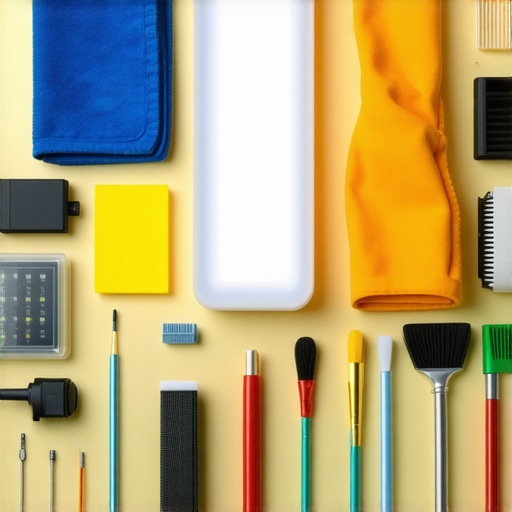
Firstly, invest in a good microfiber cloth and compressed air canisters. I use these to gently remove dust and debris from my softboxes, LED panels, and lenses. Dust accumulation can distort light quality and cause overheating in some LED panels. For instance, I regularly clean my RGB LED panels with a microfiber cloth to prevent dust from settling into cooling vents, which can lead to overheating and flickering issues. Additionally, use a soft brush or a vacuum with a brush attachment to clean the vents and fans of your equipment, ensuring optimal airflow and preventing overheating.
Second, keep a set of high-quality power strips and surge protectors. Power surges are one of the leading causes of equipment failure. I personally rely on surge protectors with built-in circuit breakers, like the best options recommended in recent reviews, to safeguard my investment. These devices also help organize your cables, reducing clutter that could trip you up during setup or tear down.
Third, periodically check and calibrate your lights. For RGB panels, I recommend using a calibration tool such as the SpyderX colorimeter, which helps ensure consistent color output, especially if your lights have built-in presets. Consistent color temperature and hue are vital for professional-looking videos. As technology advances, newer models of calibration tools become more affordable and precise, making this step easier and more accessible for creators.
Fourth, keep a dedicated toolkit for quick repairs. I keep a small kit containing screwdrivers, replacement diffusers, power cords, and mounting hardware. This allows me to troubleshoot minor issues without delay, especially during critical shoots. Regularly inspecting your stands, clamps, and mounts for wear and tear prevents accidents and equipment damage.
Looking ahead, the trend is moving towards smart, self-diagnostic lighting systems that alert you to issues before they become problems. Companies like these innovators are incorporating IoT features, which could automate maintenance reminders and remote diagnostics, saving creators even more time.
To get the most out of your lighting setup, I highly recommend establishing a routine maintenance schedule—monthly inspections, cleaning, and calibration—to keep your gear in pristine condition. Try integrating a simple tool like a microfiber cloth and a power surge protector into your workflow today. These small steps make a huge difference in the longevity and reliability of your studio lights. Remember, well-maintained equipment ensures your creative vision isn’t interrupted by avoidable technical issues, so stay proactive, and your investment will pay off in stellar visuals every time.
< >
>
When I first started setting up studio lighting, I quickly realized that even the most expensive gear can fall flat without proper knowledge. The secret to professional-looking videos isn’t just about having the latest RGB panels or softboxes; it’s about mastering their nuances. My personal journey taught me that subtle adjustments — like softbox positioning or color balance — can dramatically elevate your visuals. These lessons aren’t widely shared but can make all the difference in your creative output.
The Hardest Lesson I Learned About Studio Lighting
One of the toughest truths was realizing size isn’t everything. Bigger softboxes aren’t always better; they can wash out contrast and flatten your scene if not used correctly. I once relied on large diffusers, only to find my shots losing depth. It took experimenting with smaller, more controlled softboxes and using grids to focus the light. That breakthrough taught me that understanding diffusion and light control is more valuable than just adding size.
My Go-To Resources for Lighting Mastery
The first tool I swear by is this comprehensive guide on RGB and softbox setups. It helped me avoid common pitfalls like mismatched color temperatures or poor placement. Another essential resource is this softbox tips article, which offers practical advice on positioning and diffusion. Lastly, I trust these expert tips for balancing ambient and accent lighting, crucial for cinematic results.
Light Up Your Creativity: Your Next Step
Now it’s your turn to take action. Whether you’re upgrading your softboxes or exploring RGB color effects, remember that mastery comes through experimentation and attention to detail. Don’t be afraid to tweak, test, and learn from your setup. Your videos deserve that professional glow, and with these insider tips, you’re well on your way to creating stunning visuals that captivate your audience. Keep practicing, stay curious, and watch your studio transformation unfold.