
My First Encounter with Softbox Lighting: A Game Changer
I’ll never forget the first time I experimented with softbox lighting for my studio photos. As someone passionate about photography, I was eager to improve my portrait shots, but I struggled with harsh shadows and uneven lighting. That was until I discovered the magic of softboxes. They seemed to transform my setup, giving me that soft, flattering light I’d been craving.
Why Softbox Lighting Became My Go-To for Studio Photos
Over time, I realized that softboxes offer a unique combination of diffused light and control. Unlike bare bulbs or direct LED panels, softboxes create a natural, gentle glow that enhances skin tones and minimizes imperfections. This was especially evident in my portraits, where the difference in image quality was night and day. I learned that choosing the right size and shape of softbox is crucial—larger ones produce softer light, which I prefer for my studio work.
My Top Softbox Lighting Tips for 2024: Making the Most of Your Setup
One of the most valuable tips I picked up was to position my softbox at a 45-degree angle from my subject. This angle provides a beautiful catchlight in the eyes and adds depth to the photo. Also, I discovered that adjusting the distance of the softbox from the subject can dramatically influence the softness and intensity of the light. Closer proximity produces a more diffused, softer effect, which I love for close-up portraits.
How Do I Choose the Perfect Softbox for My Studio?
This question often comes up among aspiring photographers. The key is to consider your studio space and the type of photos you want to capture. For full-body shots, larger softboxes are ideal, while smaller ones work well for detail shots or product photography. I also recommend exploring different shapes—octagonal softboxes tend to give more natural-looking catchlights and a more even spread of light. For more insights, I found this guide to studio lights incredibly helpful.
How Can I Avoid Common Softbox Lighting Mistakes?
In my early days, I often struggled with overexposure or uneven lighting. The trick is to start with a lower power setting and gradually increase it until you get the desired effect. Also, using a reflector or secondary light can help fill in shadows, creating a more balanced look. Experimentation is key—I always recommend trying different angles and distances to see what works best for your style.
If you’re like me and love capturing stunning studio portraits, embracing softbox lighting is essential. Whether you’re just starting out or refining your technique, these tips will help you achieve professional-quality photos that truly stand out. Have you tried any specific softbox setups that worked wonders for your shoots? Feel free to share your experiences in the comments—I’d love to hear about your lighting adventures!
Unlocking the Power of Softbox Shapes and Sizes for Flawless Portraits
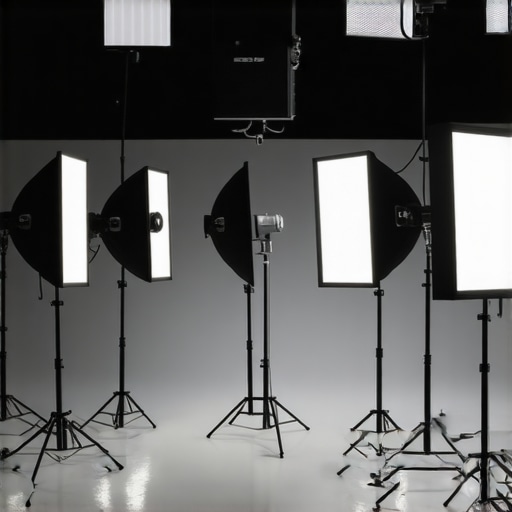
One aspect that often goes unnoticed but significantly impacts your studio lighting is the shape and size of your softboxes. As professionals know, a **large octagonal softbox** offers a more natural, rounded catchlight, ideal for achieving a soft, flattering glow on skin. Conversely, smaller rectangular softboxes are perfect for highlighting specific details or creating more dramatic effects. Experimenting with different configurations allows you to tailor your lighting to suit various subjects and moods, elevating your photography to new heights.
How Do Softbox Placement and Distance Influence Your Image?
Placement is everything in studio lighting. Positioning your softbox at a 45-degree angle is a classic setup, but tweaking its distance from the subject can dramatically change the light’s softness and intensity. Bringing the softbox closer results in more diffused light with softer shadows, perfect for delicate portraits. Moving it further away introduces more contrast and texture, lending a dramatic flair. Mastering this balance requires patience and keen observation, but the results are worth the effort.
Can Softbox Lighting Be Integrated with RGB Lighting Systems for Creative Effects?
Integrating softboxes with **RGB lighting systems** opens a realm of creative possibilities. RGB lights allow you to add vibrant color accents or subtle hues, transforming a standard portrait into a dynamic piece of art. When combined with softboxes, the diffused, natural light balances out the vivid colors, creating a harmonious blend of realism and artistic flair. This technique is particularly popular for commercial shoots and creative projects where mood and atmosphere are paramount. For a comprehensive understanding, explore this ultimate guide to studio lights.
What Are Common Pitfalls and How Can I Prevent Them?
Even seasoned photographers encounter softbox lighting challenges, such as hotspots, harsh shadows, or color inconsistencies. To avoid these issues, always check your power settings and ensure your softbox is properly aligned. Using a **light meter** can help you achieve consistent exposure across different shoots. Additionally, employing reflectors or secondary fill lights can fill in unwanted shadows, creating a balanced and polished look. Remember, patience and systematic adjustments are your best tools in perfecting softbox lighting.
If you’re eager to refine your studio lighting skills further, consider exploring detailed guides and tutorials. Sharing your experiences or asking questions in the comments can also help build a community of like-minded creatives eager to learn and grow together. Want to discover more about softbox configurations or lighting techniques? Dive into our other articles for in-depth insights and practical tips.
What Makes Softbox Shapes and Sizes Truly Impact Your Artistic Vision?
Over the years, I’ve experimented with various softbox shapes—from the classic octagonal to rectangular, to the more niche strip softboxes. Each shape offers a distinct visual effect, which can subtly influence the mood and realism of your portraits. For instance, I found that octagonal softboxes tend to produce more natural catchlights, mimicking the roundness of natural light sources, which adds a touch of authenticity to my images. Rectangular softboxes, on the other hand, are fantastic for emphasizing certain features or creating more dramatic shadows, especially in fashion or editorial shoots.
Size also plays a crucial role. A larger softbox, like a 60-inch octagonal, envelops the subject in a soft, diffuse glow that smooths out skin textures and minimizes imperfections. Smaller softboxes, around 24 inches, provide more control and are perfect for highlighting details or creating more contrast. I often combine different sizes and shapes in a shoot to craft a layered lighting effect, adding depth and dimension that elevate the overall composition. For a deeper dive into how shape and size influence your lighting, this comprehensive guide is invaluable.
How Do Placement and Distance Transform Your Creative Output?
One of my ongoing discoveries is that softbox placement isn’t just about the traditional 45-degree angle—it’s an artistic decision. Positioning the softbox closer to the subject creates a beautifully soft, wrapping light that is ideal for capturing delicate textures and smooth skin tones. When I want a more dramatic effect, I pull the softbox further back, which introduces more contrast and texture, especially when combined with strategically placed reflectors or secondary lights.
This nuanced control over distance and placement allows me to craft different moods—whether it’s a gentle, romantic portrait or a high-contrast editorial shot. The key lies in observing how the light interacts with the subject’s features and adjusting accordingly. To master this skill, I recommend experimenting with various distances during your shoots, keeping a light meter handy for precise measurements. Learning how to manipulate these variables transforms a good photo into a truly compelling one.
Can RGB Lighting Systems Elevate Your Softbox Setup?
Absolutely. Integrating RGB lighting with softboxes opened a new realm of creative expression for me. The ability to add subtle hues or vibrant colors while maintaining the soft, diffused quality of the light has been a game changer. For example, I often use RGB lights to create a mood—cool blues for a tranquil feel or warm reds for intimacy—then balance it with softbox diffusion for realism.
This combination is especially powerful in commercial and artistic photography, where mood and atmosphere are everything. Plus, with the latest RGB systems offering seamless color transitions and effects, the possibilities are endless. If you’re curious about how to effectively combine these technologies, I highly recommend exploring this detailed guide. It’s helped me refine my approach and unlock new creative potentials.
How Do I Troubleshoot Common Softbox Lighting Challenges?
In my journey as a photographer, I’ve encountered hotspots, uneven shadows, and color inconsistencies—especially when I was just starting out. The secret to overcoming these issues is a systematic approach. Always ensure your softbox is properly aligned and that your power settings are calibrated. Using a light meter helps me maintain consistent exposure across different shoots, preventing hotspots or underexposure.
Another tip is to incorporate reflectors or secondary fill lights. They can soften harsh shadows and balance the overall light distribution. Patience is key—sometimes, a slight adjustment in angle or distance makes a significant difference. Remember, lighting is an art as much as it is a science, and refining your technique comes with experience and experimentation. If you want more advanced tips, this article offers practical insights that have helped me troubleshoot and perfect my lighting setups.
Sharing your own experiences and challenges in the comments can also foster a community of learning. Every shoot presents an opportunity to discover something new about how light interacts with your subject, pushing your creative boundaries further. Keep experimenting, and don’t hesitate to explore new configurations—your perfect lighting setup might be just one tweak away.
Refining Your Artistic Vision Through Softbox Geometries and Strategic Placement
As I delved deeper into the nuances of studio lighting, I realized that the shape and size of softboxes are not merely aesthetic choices but powerful tools that shape the emotional tone and realism of my portraits. The octagonal softbox, with its natural, rounded catchlights, tends to produce a soft, authentic glow that resonates with viewers, elevating the perceived quality of my images. Conversely, rectangular softboxes allow for more precise control, emphasizing certain features or creating dramatic shadows that add narrative depth.
Experimenting with various configurations, I discovered that combining different softbox shapes and sizes within a single shoot can craft layered lighting effects—highlighting textures, adding dimension, and emphasizing mood. For example, pairing a large octagonal softbox for overall softness with a smaller, more focused rectangular softbox for accent lighting creates a dynamic interplay that breathes life into my portraits. This approach demands a keen understanding of how each shape interacts with the subject and environment, transforming standard setups into compelling visual stories.
How Does Placement and Distance Sculpt Your Creative Outcomes?
Beyond shape, the placement and distance of softboxes from the subject are critical variables that influence the final image. My ongoing experiments have shown that positioning a softbox closer to the subject results in a wrap-around, diffuse light—flattering skin tones and minimizing imperfections—perfect for intimate, romantic portraits. Moving it further back introduces more contrast and texture, ideal for creating a moody, high-contrast aesthetic that commands attention.
Adjusting distance also allows me to control shadow softness and highlight placement with surgical precision. For instance, a softbox placed at a 45-degree angle and close proximity creates a natural, pleasing catchlight, while repositioning it slightly can dramatically shift the mood. I often use a light meter to gauge exposure and maintain consistency, but the real artistry lies in my visual judgment and intuition, honed through countless hours of experimentation. Mastering this delicate balance unlocks new dimensions in storytelling through light.
Can Integrating RGB Systems with Softbox Geometries Expand Creative Horizons?
Absolutely. Incorporating RGB lighting systems into my softbox setups has revolutionized my creative process. The ability to infuse subtle hues or vibrant colors while retaining the soft, diffused quality of the light opens endless creative possibilities. For example, I might use a warm amber hue to evoke intimacy or a cool blue for a tranquil, cinematic effect, seamlessly blending with the natural skin tones illuminated by the softbox.
This technique is especially potent in commercial and artistic photography, where mood and atmosphere are paramount. The latest RGB systems offering smooth color transitions and effects (more details in this comprehensive guide) empower me to craft immersive visual narratives that resonate deeply with viewers. The synergy between softbox geometry, placement, and color manipulation continues to inspire me to push the boundaries of conventional portraiture.
What Are the Most Advanced Techniques for Perfecting Softbox Positioning and Color Harmonization?
Achieving mastery in softbox positioning and color harmony requires a blend of technical precision and artistic intuition. I often utilize light meters and histograms to calibrate exposures, ensuring consistency across my shoots. For color harmony, I pay close attention to the color temperature of my ambient environment and the RGB hues I introduce, aiming for a cohesive palette that complements my subject’s skin tones and mood.
One advanced technique I employ is multi-layered lighting—combining softboxes with gels, reflectors, and RGB accents to sculpt a multidimensional scene. This layered approach allows me to emphasize textures, create depth, and evoke specific emotional responses. For inspiration and detailed methodologies, I highly recommend exploring this expert resource.
Engaging with these sophisticated techniques has profoundly enriched my artistic practice. I invite fellow photographers to experiment with these methods, share their insights, and develop their unique lighting language. Remember, the journey to lighting mastery is ongoing—each shoot offers new lessons and creative breakthroughs.
Things I Wish I Knew Earlier (or You Might Find Surprising)
The Power of Softbox Size and Shape
When I first started experimenting with softboxes, I underestimated how much the shape and size influence the mood and realism of my portraits. Discovering that octagonal softboxes create more natural catchlights and a softer glow was a game-changer. Larger softboxes envelop the subject in gentle light, minimizing skin imperfections, which I wish I had known sooner to save time and improve my results.
Placement and Distance Are Artistic Tools
Initially, I thought positioning my softbox at a standard 45-degree angle was enough. But I soon realized that adjusting the distance dramatically affects the softness and contrast of the light. Moving the softbox closer produces a dreamy, diffused effect perfect for intimate portraits, while pulling it back adds drama. Learning to see this as an artistic choice transformed my approach to lighting.
Integrating RGB Lighting Opens New Creative Horizons
Adding RGB systems to my softbox setup unlocked a world of color play that I hadn’t explored before. Subtle hues can evoke different moods, from warmth to cool tranquility, blending seamlessly with the soft, natural light. This discovery pushed me to experiment more boldly, making my portraits more vibrant and emotionally resonant than ever.
Common Mistakes Are Part of the Learning Curve
I used to struggle with hotspots and uneven shadows until I learned to calibrate my power settings and check alignment meticulously. Using a light meter and secondary reflectors helped me achieve a more polished look. Embracing trial and error, I found that patience and systematic adjustments are essential for mastering softbox lighting.
Layering Softbox Effects Creates Depth
Combining different shapes and sizes within a single shoot allows for layered lighting effects that add depth and storytelling to portraits. I often pair a large octagonal softbox with a smaller rectangular one to highlight textures and create dimensional images. This layered approach is a creative secret I wish I’d discovered earlier.
Resources I’ve Come to Trust Over Time
- Lighting for Photographers by David Hobby: A comprehensive book that deepened my understanding of lighting principles and practical setups.
- Strobist Blog: An invaluable online resource filled with real-world advice, tutorials, and community insights that helped me troubleshoot issues and discover new techniques.
- Adorama Learning Center: Offers detailed guides and reviews on softboxes, RGB systems, and other lighting gear, guiding my gear choices and setup strategies.
Parting Thoughts from My Perspective
Mastering softbox lighting has truly transformed my portrait photography. The combination of choosing the right shapes, adjusting placement, and exploring creative color effects empowers me to craft images with depth, emotion, and professionalism. If you’re serious about elevating your studio portraits, investing time in understanding these nuances is worth every effort. Remember, every experiment brings you closer to your signature style. If this resonated with you, I’d love to hear your thoughts or see your own lighting experiments in the comments. Share this with someone looking to upgrade their studio setup—good lighting is a game changer for any photographer.
I really resonated with the suggestion about adjusting the distance of the softbox to control softness and contrast. From my own experience, tiny changes in placement can really shift the mood of a portrait, whether you’re aiming for a softer, more romantic feel or a dramatic look. When I started experimenting, I found that a closer softbox also helped reduce post-processing time because of the even skin tones it provided. Do others find that certain softbox sizes or shapes work better for specific genres, like fashion versus portraiture? I’ve been thinking of trying a larger octagonal softbox for more natural catchlights—has anyone here experienced a noticeable difference with shapes like these? Would love to hear your insights or favorite setups for different styles! I’m always eager to learn new tips that can help refine my lighting skills.
I really appreciated the emphasis on softbox shape and size in the post, especially the mention of larger octagonal softboxes creating more natural catchlights. In my own experience, experimenting with different shapes really can change the feeling of a portrait. I’ve noticed that octagonal softboxes tend to produce rounder, more natural reflections that mimic natural daylight, which is great for skin tones. On the flip side, rectangular softboxes often give a more dramatic or directional look, useful in fashion shoots. Regarding sizes, I’ve found that a 60-inch octagonal softbox gives a beautifully soft, enveloping light, perfect for beauty and portrait work, while smaller ones are more suited for highlighting specific features or creating contrast.
A challenge I’ve faced is balancing light spill and maintaining even lighting across my subject, especially with larger softboxes. Do others have tips for controlling spill or managing multiple softboxes in a tight studio space? I’ve been considering using grid attachments or flags—has anyone tried those techniques effectively? I’d love to hear about different softbox setups, especially those that have helped you achieve a consistent and flattering light for various portrait styles.
I’ve really enjoyed reading about how the size and shape of softboxes influence the mood and realism of portraits. As someone who primarily works with outdoor natural light, I find the transition to studio softboxes fascinating, especially the way octagonal shapes mimic natural daylight reflections. I’ve been curious about how people manage large softboxes in tighter spaces—do you find using grids or flags effective in controlling spill and maintaining the softness? I’ve found that with smaller studios, careful placement and using barn doors or grids can really help keep the lighting controlled without sacrificing the natural, flattering quality that larger softboxes provide. Also, since I rarely use RGB lighting systems, I’d love to learn how others balance color effects with soft, diffused light for portraiture. Do you have tips or experiences on integrating colored lights without overwhelming the scene? Overall, mastering softbox positioning and shaping seems crucial for elevating the quality of studio portraits, and I’m keen to apply some of these insights in my next setup.
Reading through this post really brought back my early days of experimenting with softbox lighting. I vividly remember how a simple change in angle or distance could completely transform my portrait outcome. The emphasis on softbox size and shape, especially the mention of octagonal configurations, is so spot-on. I’ve found that larger softboxes, like 60 inches, provide that beautiful, wrap-around light that minimizes skin imperfections and adds that natural glow we all chase. One challenge I’ve faced is managing multiple softboxes in a tight studio space without creating unwanted spill or uneven lighting. Using grids and flags has helped me a lot, but I’d love to hear if anyone has innovative tricks to keep things tidy and consistent. Also, integrating RGB systems has opened up a realm of creative possibilities—have you experimented with color gels or RGB overlays to add mood without overpowering the soft, flattering light? It’s fascinating how mastering placement, size, and even softbox shape can elevate the entire creative process. What are your favorite setups or configurations for particular styles like fashion or personal portraits? I look forward to trying new ideas based on this insightful discussion.
This post really hit home for me, especially the part about softbox size and shape influencing the naturalness of catchlights. I’ve noticed personally that octagonal softboxes do a fantastic job of reproducing those natural round reflections, which brings a realistic glow to skin tones. I’ve been considering experimenting more with larger octagonal softboxes for portraits, as I’ve read that they envelop the subject more evenly and reduce skin imperfections better. However, managing light spill becomes a bit tricky in more confined spaces, especially with larger modifiers. Using grids or flags has helped me a lot to control spill and keep the light focused where I want it. I’m curious, for those who regularly use large softboxes, what are your go-to techniques for minimizing spill without losing that soft quality? Also, with the rise of RGB systems, I wonder how many of you have successfully integrated colored lighting into your softbox setups while maintaining the softness? I’m eager to hear your tips and experiences, as blending creative colors with soft, flattering light seems like a powerful way to elevate portrait work.
This post really resonated with my own journey into softbox lighting! I recall starting out with just small, basic softboxes and being disappointed that I couldn’t achieve the smooth, professional look I saw in other photographers’ work. It wasn’t until I moved to larger octagonal softboxes and experimented with different distances and angles that I saw a real difference. The 45-degree positioning has become my standard, but I’ve also started to play with softer shadows by bringing the softbox in closer or even trying slightly different angles to see how the catchlights and overall mood change. One thing I’ve found especially useful is incorporating grids on larger softboxes—this really helps control spill and keeps the focus sharply on my subject’s face. I’ve also begun integrating subtle color gels with RGB light setups, which adds an extra layer of creativity without overwhelming the softness of the key light. Has anyone here started blending colored lighting with softboxes for more dynamic portraits? I’d love to hear your tips or favorite configurations!
This post really got me thinking about the importance of softbox size and the shape—especially how octagonal softboxes tend to produce more natural catchlights that resemble sunlight, which looks fantastic in portraits. I’ve been experimenting with larger softboxes recently, up to 60 inches, and the difference in light quality is noticeable, especially for close-up work. However, in my limited studio space, controlling spill has been a challenge; I’ve found that using grids really makes a difference. Has anyone else tried combining grids with large softboxes effectively, particularly in small studios? Also, I’m intrigued by the idea of blending RGB lighting with softboxes. The color options open up so many creative possibilities, but sometimes it’s tricky to maintain the softness while introducing vibrant hues. I’d love to hear experiences or tips on balancing color effects without losing the flattering quality of the softbox light. Overall, mastering softbox positioning and choosing the right shape can really elevate portrait lighting—what’s your favorite softbox shape or size for different styles? I look forward to hearing your insights!
I really enjoyed the insights shared about softbox sizes and shapes, especially the emphasis on octagonal softboxes for their natural catchlights. I’ve found that using a large octagonal softbox really helps me achieve that soft, even lighting that’s ideal for portraits, especially when I want skin tones to look flawless. However, managing spill with larger modifiers in a confined space remains a challenge. I’ve had good success with grid attachments, which help control spill and keep the focus on my subject’s face without sacrificing the soft quality of the light. It’s fascinating how small adjustments in position and distance can dramatically change the mood of a shot. I’ve been experimenting with different shapes and sizes depending on the style I aim for — from dramatic fashion shoots to intimate portraits. What are some of your favorite ways to balance a large softbox’s softness with tight control in a smaller studio? Also, I’m curious if others have integrated RGB lighting effectively without losing the soft, flattering effect—any tips or setups you recommend? Thanks for opening up this valuable discussion.