
I remember the moment clearly. I was filming a simple tutorial in my home studio when suddenly, everything looked off. The shadows were harsh, my skin tone was all wrong, and the background lighting was flickering inexplicably. It was frustrating—like trying to paint a masterpiece with a dull brush. That day, I realized that lighting isn’t just a technical detail; it’s the secret ingredient that can make or break your content. Since then, I’ve dedicated myself to mastering studio lighting, and I want to share what I’ve learned about choosing the best options for creators in 2024.
Why the right studio lighting can elevate your content
Good lighting is like good storytelling. It sets the mood, highlights your best features, and makes your videos and photos pop. But with so many options—softboxes, RGB panels, LED lights—it can feel overwhelming. Especially when you’re just starting out or trying to upgrade your setup without breaking the bank. I’ve made my fair share of mistakes early on, like choosing lights that were too harsh or not adjustable enough. Trust me, I’ve learned the hard way that not all lights are created equal, and the wrong choice can leave your content looking amateurish.
Today, I’ll guide you through the essentials for selecting studio lights that suit your creative goals. Whether you’re shooting YouTube videos, streaming, or professional photography, the right lighting setup can transform your work. And yes, I’ll share tips from my personal experience and point you towards some comprehensive resources, like the ultimate guide to RGB lights and softboxes.
Does the hype around RGB and LED panels really make a difference?
This is a common question I hear. Early in my journey, I bought a fancy RGB light because everyone said it was the future. Turns out, I didn’t understand how to use it properly, and it sat unused for months. It was a costly mistake that taught me to always research and test before investing. Now, I focus on understanding the specific benefits of different types of lights—like the flexibility of RGB panels for creative effects versus the soft, natural look of softboxes. I’ll help you avoid those costly missteps and find solutions that truly fit your style.
So, if you’ve ever felt overwhelmed by the choices or unsure if your current setup is enough, you’re not alone. Many creators face the same challenge, and I promise that with the right guidance, you can make lighting your secret weapon. Ready to take your studio to the next level? Let’s explore the best lighting options for creators in 2024 and how you can implement them today.
Start with a Clear Lighting Plan
Before buying any equipment, sketch out your ideal scene. Think about the mood, the type of content you create, and the environment. For instance, I once tried to set up a soft, natural look for a portrait shoot, and I realized I needed to focus on soft, diffuse light sources. Planning helps you avoid unnecessary purchases and ensures your setup enhances your style.
Choose the Right Light Types
Softboxes for Smooth, Natural Light
Softboxes are a staple because they diffuse light evenly, reducing harsh shadows. I started with a basic softbox and found it perfect for interview-style videos. They mimic natural window light, making your subject look more flattering. Check out the best softbox RGB lighting solutions for options suitable for different budgets.
LED Panels for Versatility
LED panels are versatile and adjustable. They can be dimmed and color-tuned, which is invaluable for creative effects. I upgraded to an RGB LED panel, which let me match my background or create vibrant accents. For professional quality, consider the best RGB LED panels.
RGB Lights for Creative Flexibility
RGB lights give you the power to change colors instantly. I used an RGB panel for a sci-fi themed video, adjusting hues on the fly. They’re perfect for adding visual interest or mood. To learn more about the best options, see the ultimate guide to RGB lighting.
Learn to Position Lights Effectively
Placement is everything. I once placed a light directly in front of my subject, washing out features. Instead, position your key light at a 45-degree angle to sculpt the face, and add a fill light on the opposite side to soften shadows. Use a reflector or bounce card to fill in shadows without adding extra lights. Experiment with height and distance—closer lights create softer shadows, farther lights add contrast.
Adjust Brightness and Color Temperature
Consistency is key. Use dimmers and color controls to match your ambient light or achieve the desired mood. I used a softbox with adjustable brightness, which allowed me to fine-tune my look during recordings. A good rule is to keep your key light at a neutral temperature (around 5600K) and match or complement your background and hair lights.
Test and Iterate Your Setup
Set up a test shot and review it on your monitor. Look for harsh shadows, uneven lighting, or color issues. I once spent hours tweaking my lights, only to notice a reflection in my glasses. Small adjustments—like changing the angle or adding diffusion—made a big difference. Keep experimenting until your scene looks natural and professional.
Use Accessories to Enhance Your Lighting
Modifiers like grids, diffusers, and flags help control spill and soften light. For example, I added a grid to my RGB panel to concentrate the beam and highlight my subject, preventing light from spilling onto the background. Investing in quality accessories maximizes your lighting’s effectiveness and gives you more creative control.
Leverage Resources and Community Knowledge
Stay updated with guides like the ultimate guide to studio lights and participate in online forums. I regularly check dedicated lighting communities to discover new techniques and troubleshoot issues. Learning from others accelerates your mastery and helps you avoid rookie mistakes.
Most creators jump into studio lighting with a set of assumptions that can lead to costly mistakes and subpar results. One common misconception is that more expensive or high-tech lights automatically mean better quality. In reality, the nuance lies in understanding how different lights interact with your environment and subject. For example, RGB lights are often marketed as versatile game-changers, but without proper control and understanding, they can introduce color inconsistencies that ruin your shot. Instead, focus on mastering the fundamentals of light placement and color temperature adjustments—these are often overlooked but are vital for professional results.
A trap many fall into is relying solely on the advertised features of a light, like built-in effects or maximum brightness, without considering how those features translate into real-world usage. For instance, RGB panels may offer dozens of colors, but if their color rendering index (CRI) is low, your skin tones will look unnatural regardless of the hue. Always check specs like CRI and TLCI ratings, especially if you’re aiming for accurate color reproduction. This is backed by industry standards, as experts like lighting specialists emphasize the importance of high CRI for studio work.
Another common mistake is overusing softboxes or diffusers in a misguided attempt to achieve softness. While diffusers are invaluable, they can also diminish light intensity and create uneven lighting if not used correctly. For example, placing a softbox too close can produce harsh shadows, contradicting its purpose. Conversely, placing it too far can lead to weak, flat lighting. The key is in balancing diffusion with distance and intensity, which often requires nuanced adjustments that beginners overlook. Experimentation and understanding the inverse-square law are crucial here.
What advanced creators get wrong about color temperature control?
Many enthusiasts think setting their lights to a neutral 5600K is enough, but in reality, mismatched color temperatures between your lights and environment can cause jarring color shifts. For example, mixing daylight-balanced lights with tungsten ambient light leads to color cast issues that are difficult to fix in post-production. Professional studios often use controlled lighting environments or gels to maintain consistency. A better approach is to use lights with adjustable temperature and measure ambient conditions with a color meter, ensuring your scene remains color-accurate. This attention to detail can be the difference between amateur and broadcast-quality footage, as highlighted by experts in studio lighting guides.
Finally, don’t underestimate the power of light shaping tools like flags, grids, and barn doors. They help control spill and focus your light precisely where needed, preventing unwanted reflections and glare. Many beginners miss this step, which leads to a cluttered or uneven look. Incorporating these accessories into your setup can dramatically improve your lighting control and overall professionalism. Have you ever fallen into this trap? Let me know in the comments.
Investing in high-quality studio lights, softboxes, or RGB panels is just the beginning. To keep your setup performing optimally over time, regular maintenance and choosing the right tools are essential. Personally, I rely on a few specific techniques and equipment to ensure my lighting gear stays in top shape, allowing me to focus on creating without technical hiccups.
How do I maintain my studio lights and accessories over time?
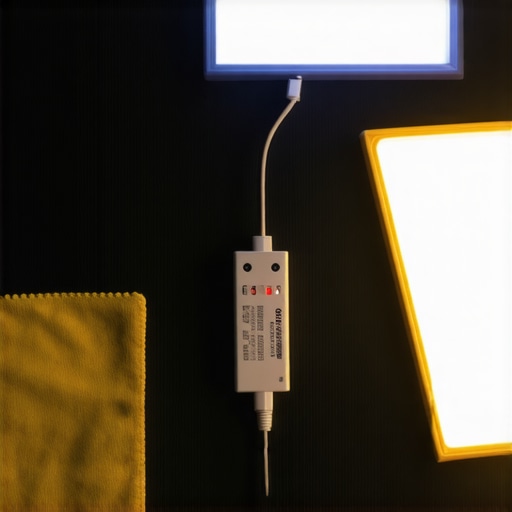
First, I always keep a microfiber cloth and a soft brush handy. Dust can accumulate on LED panels and softbox diffusers, diminishing their brightness and color accuracy. Regularly wiping down your lights prevents dust buildup, which can cause overheating or uneven light output. For softboxes and diffusers, I gently clean the fabric with a mild detergent when necessary, ensuring no residues impact diffusion quality.
Next, I invest in a reliable power strip with surge protection. Power surges are a common cause of equipment failure, especially during stormy seasons or unstable power supplies. My favorite is the APC SurgeArrest because it provides consistent protection and has served me well for years, preventing costly replacements.
To keep the internal electronics in good condition, I also use a power meter to monitor voltage levels periodically. This helps me identify issues before they cause damage, especially if I notice flickering or inconsistent color output. Consistent power quality extends the lifespan of LED modules and control boards, which are increasingly integrated with smart features.
For software control, I recommend using dedicated lighting control apps or firmware updates from the manufacturer. I use the Nanoleaf app for my RGB panels, which simplifies adjusting color profiles and brightness schedules. Ensuring your firmware is up-to-date can fix bugs and improve stability, making your lighting setup more reliable over time.
Finally, I schedule a quarterly checkup: inspecting cables for wear and tear, testing dimmers and controls, and replacing any damaged parts promptly. This proactive approach prevents unexpected failures during critical shoots and keeps your studio ready for any project.
What’s the future of maintenance for studio lighting?
As technology advances, I predict more integrated smart diagnostics will become standard in professional lighting systems. Imagine lights that self-report issues via an app or notify you when a component needs replacement—saving time and preventing downtime. Already, some high-end RGB systems incorporate diagnostic features, and this trend will likely expand in 2024 and beyond.
To get started today, try implementing a regular cleaning routine with microfiber cloths and check your power sources. These simple steps significantly extend your gear’s lifespan and ensure your lighting remains sharp and consistent for all your creative projects.
<
Reflecting on my early days in content creation, I vividly remember the frustration of setting up lights that either washed out my subject or cast unflattering shadows. The hardest lesson I learned was that lighting isn’t just about brightness but about understanding how different fixtures interact with your environment and subject. I once believed that brighter was better, but I discovered that controlled, well-placed lighting transforms amateur footage into professional-quality videos. This revelation pushed me to experiment with softboxes, RGB panels, and reflectors, leading to the polished look I strive for today.
Another lesson I wish I had grasped sooner is the importance of color temperature management. Mismatched lighting can cause distracting color shifts, ruining an otherwise perfect shot. I learned to invest in adjustable lights and a color meter, which helped me maintain consistency across scenes. Additionally, I underestimated the power of light shaping accessories like flags and grids—these tools give you precise control over spill and focus, elevating your production value significantly. My advice is to prioritize these nuanced adjustments; they often make the biggest difference.
Finally, understanding the specs is crucial. Not all RGB lights have high CRI ratings, which can lead to unnatural skin tones. I now always check for high CRI and TLCI ratings before purchasing, ensuring my colors stay true. This attention to detail, combined with regular maintenance routines—like dusting fixtures and checking power sources—keeps my lighting setup reliable and ready for any shoot. Remember, mastering studio lighting is an ongoing journey of learning and refining. With patience and curiosity, you can unlock the full potential of your creative space.
My Essential Toolkit for Studio Lighting Success
Over the years, I’ve curated a collection of trusted tools that have become indispensable. First, I rely on the ultimate guide to RGB lights and softboxes to stay updated on the latest innovations. For softboxes, I trust the best softbox RGB solutions because of their versatility and quality. When it comes to controlling my lights remotely, I use the ultimate guide to studio lights with softboxes and RGB LED panels, which simplifies adjustments during shoots. These resources help me make informed decisions, ensuring my setup remains cutting-edge and reliable.
Books like “Lighting for Creators” and online forums dedicated to studio setup have also been game-changers, offering insights and troubleshooting tips from experienced professionals. They remind me that even with the best gear, continuous learning is key. Investing in quality accessories such as diffusers, flags, and reflectors further enhances my control over lighting, allowing me to craft the perfect scene every time. These curated tools and resources form the backbone of my studio success, helping me create content that stands out in 2024 and beyond.
Light the Fire Within Your Creative Journey
Embarking on your studio lighting adventure can seem daunting, but remember—every expert started with simple tools and a willingness to learn. The key is to experiment, stay curious, and embrace the nuances of light. Your unique style will emerge as you refine your setup, so don’t be afraid to try bold ideas or make mistakes along the way. With the right knowledge and attitude, you can turn your creative space into a professional-grade studio that elevates your content and inspires your audience. Now, it’s your turn—what’s the first lighting adjustment you plan to try? Share your thoughts below and let’s grow together in this luminous journey.