
Have you ever set up your studio lighting only to realize it looks flat, unflattering, or just plain wrong on camera? I remember spending hours fiddling with cheap softboxes and flickering LEDs, only to end up frustrated and questioning if I was missing some secret trick. That was me early on—struggling to get consistent, professional-looking results without breaking the bank or wasting time. But here’s the truth I’ve learned: the right lighting setup can transform your content, and it’s not as complicated as it seems once you know what to look for.
Why Good Lighting Makes All the Difference for Creators
In my journey from amateur to semi-pro, I discovered that lighting is the foundation of great video and photo quality. It’s what separates a good shot from a forgettable one. Poor lighting can sabotage even the best camera and editing skills. Conversely, well-chosen studio lights can elevate your content, add mood, and make your work stand out. This is especially true in 2024, where viewers expect stunning visuals and seamless production quality. According to a report from Statista, video content with professional lighting can increase viewer engagement by up to 80%. That’s not just an upgrade; it’s a game-changer.
But here’s the tricky part: with so many options—softboxes, LED panels, RGB lights—it’s easy to get overwhelmed. I’ve made my share of mistakes early on, like choosing lights that flickered or lacked true color accuracy. Let me tell you, experimenting without proper research costs time and money. The good news? There are proven solutions for every budget and need, and I’ll guide you through what works best in 2024.
Is the Hype Around RGB Lights Just Another Trend?
When I first heard about RGB lights promising “full color control,” I was skeptical. Honestly, I thought it was just a gimmick. Turns out, RGB technology offers more than just flashy colors; it provides creative flexibility and mood-setting options that can dramatically improve your visuals. If you’re wondering whether RGB lighting is worth the hype, I’ll share what I’ve learned from real-world testing and point you to some top picks like softbox and RGB studio lights for filmmaking. Trust me, for creative content, RGB is more than a trend—it’s a versatile tool that boosts your production value.
So, have you faced the challenge of picking the right lights for your studio? If so, you’re not alone. Many creators start with mismatched setups or cheap equipment that doesn’t deliver. But don’t worry—by the end of this post, you’ll have a clear plan for selecting the best softbox, LED, and RGB solutions to elevate your videos and photos in 2024. Ready to transform your studio setup? Let’s dive in and find your perfect lighting match.
,
Pick the Right Equipment for Your Needs
Start by assessing your budget and content style. For beginners, a softbox or a basic LED panel can provide soft, even light that minimizes shadows. If you want more flexibility and creative control, consider RGB lights, which can change colors and mood instantly. I once bought a cheap RGB light for a quick project, and it ended up adding a fun, vibrant look that made my video stand out. To find the best options, check out top softbox and RGB studio lights for filmmaking. These resources help you compare features and price points effectively.
Position Your Lights for Maximum Impact
Think of your lights as the seasoning for a dish—they need to be placed precisely for the best flavor. Set your key light at a 45-degree angle from your face or subject, slightly above eye level, to create natural-looking shadows. Use a fill light on the opposite side, but keep it softer and less intense to avoid flattening the face. I once struggled with harsh shadows until I placed my softbox slightly above and to the side, which resulted in a much more flattering look. Use adjustable stands and flexible mounts to fine-tune positions easily. For detailed positioning tips, explore ultimate guide to studio lights with softboxes, RGB, and LED panels.
Control Brightness and Color to Set the Mood
Proper brightness levels are essential for a professional appearance. Use dimmers or adjustable brightness settings to match the ambient light and avoid overexposure. For example, in my last shoot, I dimmed my RGB panel to create a warm sunset vibe that resonated with my audience. Color temperature also influences mood—warm tones evoke coziness, while cool tones feel professional or clinical. Most RGB lights allow you to tweak colors easily, giving you endless creative options. Check out top RGB and softbox lighting solutions to find the best tools for dynamic color control.
Balance and Diffuse to Achieve Soft, Natural Light
Avoid unflattering harsh shadows by diffusing your lights. Softboxes are excellent because they spread light evenly and soften shadows, mimicking natural window light. If you’re using LED panels, add diffusion filters or bounce the light off a reflective surface. I once used a simple white foam board as a bounce, which dramatically improved the light quality in my shot. Experiment with different diffusion materials to see what works best for your setup. For comprehensive softbox options, see ultimate guide to softbox RGB lighting.
Tweak and Test to Perfect Your Setup
Always test your lighting before recording or shooting. Make small adjustments—move lights closer or farther, tweak angles, change color settings—and observe the results. My first attempt at a professional look was messy; I had uneven lighting and color mismatches. But through iterative testing, I learned how slight changes could make a big difference. Use your camera’s preview to evaluate shadows, highlights, and color balance. Remember, good lighting is an ongoing process of refinement. For extra tips, review best LED panel and RGB studio lights for creative video production.
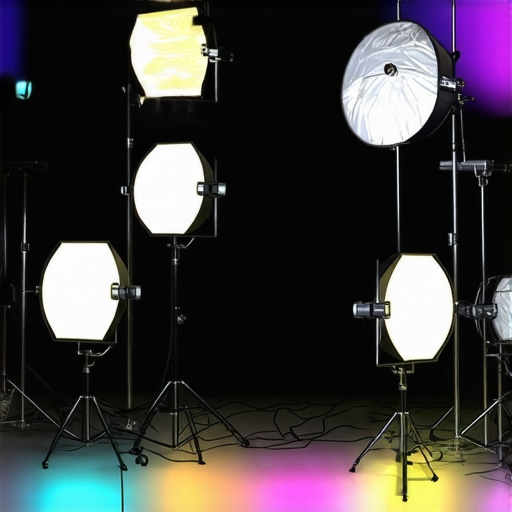
Many creators jump into studio lighting without fully understanding the intricacies involved, often leading to costly mistakes and subpar results. Let’s explore some of the most common misconceptions and subtle pitfalls that can trip up even experienced content producers. By addressing these, you can elevate your lighting game and avoid typical traps that limit your visual quality.
Why Bigger Isn’t Always Better
One prevalent myth is that larger softboxes or more powerful LED panels automatically produce better light. In reality, size alone doesn’t determine quality. A common mistake is over-investing in oversized gear when a smaller, well-placed softbox can deliver superior results. Larger softboxes tend to diffuse light more, but they can also create softer shadows that lack contrast, which might flatten your image rather than enhance it. Focus on effective placement and quality diffusion rather than just size. For detailed guidance, check out this softbox guide.
The Trap of Over-Coloring with RGB Lights
RGB lights are often touted for their versatility, but many users fall into the trap of overusing bright colors, leading to unnatural or distracting visuals. Remember, color should serve your story, not overshadow it. Over-saturation can also cause color banding and loss of detail, especially on camera. A subtle, purposeful use of RGB lighting enhances mood without overwhelming the viewer. For advanced techniques, explore top RGB techniques to master this art.
Common Mistake: Ignoring Light Quality and CRI
Many creators focus on brightness and color options but neglect the importance of light quality. Color Rendering Index (CRI) measures how accurately a light source renders colors; lights with CRI above 95 produce more natural, true-to-life colors. Using low-CRI LED panels might save money upfront but can result in washed-out or inaccurate skin tones and backgrounds. Always prioritize CRI when selecting your lights—your footage will thank you. For professional-grade options, see LED panels with high CRI.
How Can Advanced Lighting Techniques Improve Your Content?
Beyond basic setup, mastering nuanced lighting techniques like three-point lighting, feathering, and color gels can dramatically improve your visuals. Properly balancing key, fill, and backlight creates depth and dimension, while subtle diffusion adds softness. Incorporating creative lighting methods elevates your videos from amateur to professional. For in-depth strategies, review advanced lighting techniques. Have you ever fallen into this trap? Let me know in the comments.
How do I maintain my studio lights and ensure they stay in top condition?
Maintaining your studio lighting equipment is essential to ensure consistent performance and longevity. I personally recommend establishing a regular cleaning routine using microfiber cloths to gently wipe down LED panels, RGB lights, and softboxes, removing dust and debris that can diminish light quality over time. Additionally, keep your lights in a cool, dry environment to prevent overheating and moisture damage. For softboxes and diffusion materials, periodic inspection and replacement of worn-out fabrics or diffusers can prevent uneven lighting and color shifts. Using manufacturer-recommended cleaning solutions and avoiding harsh chemicals preserves the integrity of sensitive components. I also suggest investing in protective covers or storage cases to safeguard your gear during transit or when not in use. Regularly checking and calibrating your RGB lights with software updates ensures accurate color rendering, especially as firmware improvements roll out. This proactive maintenance not only extends your equipment’s lifespan but also guarantees professional results every time you shoot.
Tools I recommend for keeping your studio lighting setup in peak condition
Over the years, I’ve found that certain tools make maintenance and upgrades straightforward and effective. First, a high-quality microfiber cleaning cloth is indispensable for dusting LED panels and softboxes without scratching sensitive surfaces. For deep cleaning, I use isopropyl alcohol wipes to gently sanitize reflectors and diffusion filters, ensuring no residue affects light quality. A portable, adjustable light meter is invaluable for verifying brightness levels and color consistency, especially after firmware updates or physical adjustments. I personally rely on the best LED panel and RGB studio lights for creative video production to choose equipment with user-friendly calibration features and durable build quality. Software tools like manufacturer apps for firmware management help keep your RGB lights updated with the latest improvements, which often include performance enhancements and new features. For softbox maintenance, I keep a small toolkit with replacement rods, fabric patches, and Velcro strips to repair or upgrade diffusers quickly. Lastly, investing in a reliable power strip with surge protection safeguards your expensive electronics during power fluctuations. These tools, combined with routine checks, keep your studio lights performing at their best and ready for any project.
Looking ahead: Why investing in quality maintenance tools now will pay off
As lighting technology evolves rapidly, especially with the rise of smart RGB systems and software-controlled panels, staying on top of maintenance is more important than ever. I predict that in 2024, the trend toward integrated firmware updates and remote diagnostics will become standard, making proactive care even more critical. By regularly updating your lights and using dedicated maintenance tools, you prevent unexpected failures that could derail a shoot. Moreover, maintaining your gear helps preserve its resale value should you decide to upgrade later, keeping your investment protected. Don’t overlook the power of simple, routine care—it’s the secret to long-term success and creative flexibility in your studio setup. Start implementing these maintenance habits today, and enjoy consistently stunning results that reflect your professional growth.
The Hard-Won Lessons That Changed My Approach to Studio Lighting
- One of my biggest mistakes was relying solely on size—thinking bigger softboxes and more powerful LEDs always meant better results. It’s not about size but strategic placement and diffusion quality that truly matter.
- I underestimated how crucial CRI is for accurate colors. Switching to high-CRI LED panels transformed my footage, making skin tones and backgrounds look natural and vibrant.
- Overusing RGB colors was a trap I fell into early on. Learning to use color subtly and purposefully elevated my visuals without overwhelming the viewer.
- Experimenting with different diffusion materials and angles taught me that soft, natural light is achievable with simple tweaks—no need for fancy gear.
- Regular maintenance and calibration of my lights helped me avoid unexpected failures and kept my setup consistently professional. Routine checks are worth the effort.
Tools and Resources That Elevated My Lighting Game
- Best LED Panel and RGB Studio Lights for Creative Content in 2024: Reliable, high-CRI options that balance color accuracy and versatility, recommended for professional setups.
- Ultimate Guide to Softbox and RGB Lighting: A comprehensive resource to master placement, diffusion, and creative effects, essential for serious creators.
- Top RGB Lighting Techniques for Studio Video: Advanced strategies to use RGB lights effectively, creating mood and depth without overdoing it.
- Favorite Softbox and RGB Solutions for Filmmaking: My go-to gear that combines quality, durability, and ease of use, helping me achieve cinematic results.
Take Action and Light Up Your Creative Journey
Upgrading your studio lighting is a game-changer that can elevate your content from good to stunning. Embrace continuous learning, experiment freely, and don’t be afraid to push creative boundaries with your lights. The perfect setup is within reach—start today and watch your visuals transform. Remember, mastering studio lighting is an ongoing process, but every step brings you closer to professional-quality content. Your future viewers will thank you for the effort you put in now.
What’s the biggest challenge you face with your current studio lighting setup? Share your experiences below—I’d love to hear your story!