
Ever spent hours filming only to realize your face looks flat, your colors are off, or the background feels uninspired? I’ve been there—frustrated, wondering what went wrong, flipping switches, adjusting angles, and still ending up with lackluster results. It hits you:
Lighting Can Make or Break Your Videos
For a while, I thought good lighting was just about brightening the scene. Turns out, it’s so much more. Poor lighting not only ruins the mood but also leaves viewers disengaged, questioning your professionalism. I vividly remember a shoot where my camera settings were fine, but my face was shadowed, and the colors looked dull. I felt defeated—until I started experimenting with different lighting tools.
Since then, I’ve learned that choosing the right lighting isn’t just a technical detail; it’s a game-changer. Good lighting adds depth, mood, and clarity to your videos, making your content stand out. Whether you’re creating YouTube tutorials, live streams, or professional interviews, the right setup can truly elevate your game.
In this guide, I’ll share my personal experiences, common pitfalls, and proven tips to help you navigate the often-overwhelming array of options—from softboxes to RGB panels. Trust me, understanding the essentials of softbox, RGB, and LED lighting can transform your videos from amateurish to polished.
Why Lighting Matters Now More Than Ever
With the explosive growth of online content, viewers have come to expect a certain quality. According to a recent survey, over 70% of viewers judge a video’s credibility based on visual quality alone. That means if your lighting isn’t up to par, your message might get lost before it even reaches your audience.
So, if you’ve ever faced dim footage, color inconsistencies, or unflattering shadows, you’re definitely not alone. Many creators start with minimal gear, but investing in proper lighting solutions—like an RGB LED panel or a softbox—can dramatically improve your visuals and boost viewer engagement.
Are you tired of fighting with uneven lighting or feeling unsure about your setup? If so, stick around. We’re about to dive into practical steps that will help you transform your videos with the right lighting choices.
Is Softbox or RGB Lighting Actually Worth It?
I’ll admit—I made the mistake early on of thinking I could get away with cheap lights, but it only led to more frustration and dull footage. I wish I had recognized sooner how crucial quality lighting is for professional-looking videos. Learn from my mistake and explore the best options tailored to your needs.
Ready to shed some light on your setup? Let’s get started with the fundamentals that will make your videos shine—literally.
Set Clear Lighting Goals Before You Start
Think of your lighting setup like painting a picture; you need a vision first. Define whether you want a soft, natural look or a dramatic high-contrast scene. In my early days, I hurried into buying gear without this plan, leading to mismatched lights and frustration. To avoid this, jot down the mood and style you aim for, then select equipment that aligns with those goals. For instance, a softbox creates gentle, diffuse light perfect for interviews, while RGB panels offer versatile color control for creative effects.
Position Your Lights for Depth and Clarity
Lighting placement is akin to sculpting—where you put your lights shapes the final result. I once set up a single light directly in front of me, resulting in flat, uninteresting footage. Instead, position a main light at a 45-degree angle to add dimension, with a fill light on the opposite side to soften shadows. Using stand-mounted softboxes at eye level helps produce a flattering, even glow. Experiment with distances to find the sweet spot; closer lights increase intensity but can cause harsh shadows.
Adjust Intensity and Color for Consistency
Too often, creators overlook the importance of balancing light brightness and hue. In a shoot, I used a basic LED panel with no adjustments, which led to color casting issues. Modern RGB lights can be fine-tuned via dials or apps, allowing you to match your scene’s temperature or create vibrant atmosphere. Use a light meter or your camera’s histogram to ensure consistent exposure. For a natural look, keep lights at similar intensities unless intentionally creating contrast.
Create Soft, Diffused Light with Proper Diffusers
Harsh lighting is a quick way to ruin a shot, producing unflattering shadows. I once used bare bulbs, which made my face look stark. Introducing softboxes, umbrellas, or diffusion panels transforms hard beams into gentle, wrapping light. Think of it like a cloud softening the sun; it spreads light evenly, reducing sharp shadows. When using softboxes, ensure they are placed close enough to soften the light without losing brightness. Experiment with distance and diffusion material for optimal softness.
Leverage Color Control for Artistic Effect
Color plays a vital role in setting mood. RGB lighting systems can shift from warm yellows to cool blues at the touch of a button. I experimented with different colors to match the vibe of my videos, which greatly enhanced engagement. Use apps or remote controls to dial in precise colors, or preset scenes for quick changes. Remember, contrasting warm and cool tones can add depth and focus, but overusing colored lights can be distracting.
Test and Refine Your Setup Before Recording
Never go straight into recording without a test run. I learned this the hard way when my main light flickered unexpectedly. Take time to illuminate the entire scene, adjusting angles, intensities, and colors as needed. Use your camera’s preview mode to identify problems like shadows, hotspots, or color issues. Small tweaks here can make a big difference—what looks good on your monitor might not translate perfectly to the final shot. Regularly review and adjust to ensure consistency and quality.
Upgrade Your Gear Strategically
Initial investments in lighting can be overwhelming, but prioritize versatile, upgradeable systems. Softbox kits and RGB panels are highly adaptable, allowing you to expand your setup over time. For detailed reviews and recommendations, explore top studio lighting options for creators. Remember, the goal is to achieve a balanced, controlled environment where you can manipulate light effortlessly, making your videos look polished and professional.
Maintain and Care for Your Lighting Equipment
Proper maintenance extends the lifespan of your gear and ensures consistent performance. Regularly wipe dust from softboxes and clean LED panels with a soft cloth. Avoid exposing lights to moisture or extreme temperatures. Well-maintained lighting not only looks better but also reduces troubleshooting time, giving you more focus on content creation. For expert tips on keeping your studio lights in top shape, visit best lighting maintenance practices.
While many creators believe that brighter lights or more expensive gear automatically translate to better footage, the reality is far more nuanced. A prevalent misconception is that LED panels or RGB lights with high lumen output guarantee professional-quality results. In my experience, the key lies in understanding how to manipulate these tools effectively rather than relying solely on raw specs. For instance, an overly intense light can wash out your subject or create unflattering reflections, especially if you don’t adjust for color temperature or diffusion. That’s why mastering *light shaping* techniques—like using diffusers, barn doors, or flags—is crucial. Experts like professional lighting guides emphasize that mere equipment upgrades won’t elevate your videos unless complemented by proper setup and calibration.
Why do some overly bright LED panels still produce flat images?
This often happens because creators focus on increasing brightness without paying attention to light positioning and quality. Lights placed directly in front or at poor angles tend to flatten facial features, leading to a lack of depth. Advanced creators understand that controlling *how* light hits their subject—such as employing three-point lighting—can add dimension and visual interest. Moreover, many fall into the trap of thinking that RGB lights are only for colored effects, but their real power lies in their *versatility* and *color temperature control*, which, when used wisely, can simulate natural daylight or mood lighting effectively. The key is to invest in high-quality RGB systems, like the best RGB LED panels, and learn to fine-tune their output for optimal results.
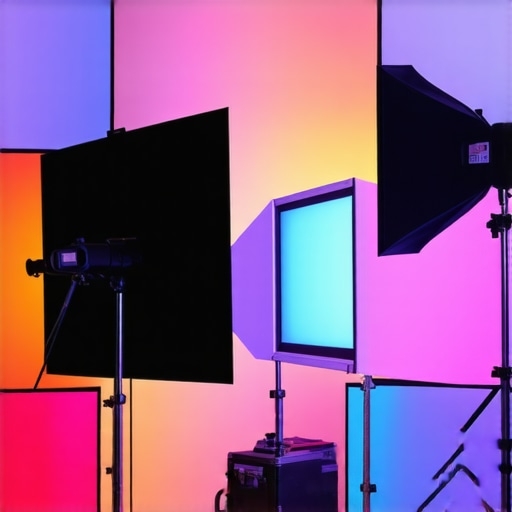
Imagine a well-lit studio setup with softboxes at angles creating soft, flattering light and RGB panels subtly coloring the background—this illustrates how nuanced lighting creates a professional look.
Another common myth is that softer lights always mean better results. While soft light reduces harsh shadows, over-diffusion or improper distance can cause your scene to appear dull or washed out. It’s a delicate balance—advanced creators often use grids, reflectors, or bounce cards to *shape* and *control* soft light*, avoiding pitfalls like flattening or overexposing parts of the shot. This nuanced approach underscores the importance of understanding *light ratios*—a term that refers to the contrast between your main and fill lights—which plays a crucial role in achieving professional-looking images.
Lastly, many underestimate the importance of calibrating their monitors and camera settings to match their lighting environment. Even the best lighting setup won’t yield perfect footage if your camera’s auto white balance or exposure is off. Investing time in *manual calibration* and understanding how different lights influence color rendition ensures consistency and prevents costly re-shoots. As noted by industry experts, aligning your camera’s settings with your lighting environment is an advanced but essential step toward professional quality.
So, while the basics serve as an excellent starting point, mastering these nuanced details separates amateurs from professionals. Have you ever fallen into this trap? Let me know in the comments and share your experiences!
Tools I Recommend for Reliable and Efficient Lighting Maintenance
Staying on top of your lighting equipment’s health is essential for consistent video quality. I personally swear by the use of a microfiber cloth combined with a gentle electronics cleaner, which keeps my LED panels and softboxes free from dust and smudges, ensuring optimal light output. Investing in a quality power strip with surge protection also prevents unexpected damage from power fluctuations, safeguarding your investment over years of use.
When it comes to software, regularly updating your lighting controllers’ firmware—particularly for RGB panels that connect via apps—is crucial. Manufacturers release updates that fix bugs, improve color stability, and sometimes add new features, which can save you headaches during critical shoots. I recommend setting calendar reminders to check for updates monthly, especially if you rely heavily on app-controlled RGB lights.
Another invaluable tool is a portable light meter. I use the Sekonic L-858D-U, which provides precise lumen readings and color temperature measurements. This device helps me calibrate my lights periodically, ensuring my scene maintains the desired look without guesswork. Regular calibration with such tools prevents drift in color rendering, which can become noticeable after long-term use.
How do I maintain my studio lighting systems over time?
Long-term maintenance involves proper cleaning, calibration, and part replacements. Dust buildup on diffusion panels or softboxes can diminish light quality; therefore, schedule bi-monthly cleanings to keep everything luminous and clear. For LED panels and RGB systems, use manufacturer-approved cleaning products and avoid harsh abrasives that can damage surfaces. Calibration is equally vital: periodically validated measurements ensure your lighting remains consistent, especially if you upgrade components or change your room’s setup. Including spare bulbs, adapters, and batteries in your kit allows quick swaps, keeping downtime minimal during busy production schedules.
Looking ahead, the trend is moving towards smarter lighting systems that integrate IoT features for seamless adjustments and diagnostics. For instance, some new RGB panels now offer remote firmware updates and health diagnostics directly via apps, simplifying maintenance. Staying updated on these technological advances guarantees your setup remains cutting-edge and reliable for years to come. For detailed recommendations and tutorials on efficient maintenance routines, check out this comprehensive guide.
Don’t forget: a little proactive care, like regularly cleaning and calibrating your lights, extends their lifespan and ensures your videos look great every time. Try scheduling a monthly checkup—your future self will thank you!
Over the years, I’ve realized that the greatest breakthroughs in my video production came from simple yet profound lessons learned the hard way. These insights, born out of countless trials and errors, often reveal the nuances that separate an average shot from a stunning one. If you’re serious about elevating your content, embracing these insider revelations can be transformative.
How Overconfidence Can Limit Your Creativity
Early in my journey, I believed that simply increasing light intensity would solve all my issues. I didn’t realize that quality, positioning, and diffusion mattered far more. Real progress came when I accepted that mastery involves humility and continuous learning—experimenting with diffusers, angles, and color temperature despite preconceived notions.
The Power of Small Adjustments
A tiny tweak—like adjusting the angle of a softbox or dimming a light slightly—can dramatically change the scene’s mood. I learned this the hard way, often wasting hours on grand overhauls instead of paying attention to subtle details. Paying close attention to these small adjustments, especially when setting the appropriate light ratio, can elevate the professionalism of your videos.
When Cheaper Isn’t Always Better
I’ve tested budget lights that promised a lot but delivered little. Investing in quality gear, such as the best RGB LED panels and reliable softboxes, saved me countless headaches and re-shoots. The truth is, a well-chosen, properly calibrated light setup produces results that inexpensive gear simply can’t match.
The Myth of Perfect Lighting Conditions
Waiting for the perfect setup or ideal conditions often leads to missed opportunities. I found that working with what I had—understanding how to manipulate existing lights—was more beneficial than chasing perfection. Mastering techniques like creating depth with strategic placement and controlling light spill can compensate for less-than-ideal environments.
Curated Recommendations for Inspired Creating
After years of experimenting, I rely on a few trusted resources to guide my choices. For example, the detailed insights in the ultimate guide to softbox and RGB lighting have been invaluable. Also, staying connected with communities through forums and tutorials on studio lighting tips keeps me inspired and informed. Lastly, I trust the comprehensive reviews and benchmarks shared in guides like for beginner-friendly systems to make smart investments.
Light the Path to Your Dream Content
Creating compelling videos is both an art and a science. Embrace the journey, experiment fearlessly, and never shy away from learning new tricks and tools. Remember, every small improvement accumulates, bringing your vision closer to reality. If you’ve ever hesitated to upgrade your lighting or felt unsure about your setup, now is the perfect time to take action. Dive into the resources, apply what resonates, and watch your videos truly come alive.
What are your biggest challenges when it comes to lighting your videos? Share your experiences below and let’s grow together!