
One evening, I remember sitting in my makeshift studio, trying to record a simple video. The lighting was a mess—harsh shadows, uneven skin tones, and an overall dull look that made me want to give up. I realized my setup was holding me back, and that day marked a turning point. I finally understood that mastering studio lighting could transform my content from amateurish to professional—and I was determined to crack the code. If you’ve ever faced that frustrating moment of battling inconsistent, unreliable lighting, you’re not alone. In fact, poor lighting is one of the top reasons creators feel stuck, unsure how to improve their visual quality. But here’s the good news: with the right tools and techniques—like softboxes and RGB lighting—you can create stunning visuals that captivate your audience.
Why Lighting Matters More Than You Think
Lighting is the secret ingredient that elevates your content, yet it’s often overlooked or misunderstood. A well-lit scene doesn’t just look good; it conveys mood, emphasizes your subject, and builds trust with viewers. When I started experimenting with different lighting setups, I was blown away by how much control I gained over my videos’ look and feel. Softboxes, for example, diffuse light to eliminate harsh shadows—making your skin look smoother and your environment more inviting. RGB lights, on the other hand, allow you to add vibrant colors and dynamic effects that match your branding or mood, giving your content that extra punch.
But I admit, navigating the world of studio lighting isn’t always straightforward. Initially, I bought several random lights, hoping to ‘get it right.’ That was a mistake—learning what works, what doesn’t, and how to set things up makes all the difference. For a comprehensive understanding, I recommend checking out guides like [this ultimate guide to softbox & RGB lighting](https://lights.creatorsetupguide.com/video-lighting-the-ultimate-guide-to-softboxes-rgb-led-panels), which break down the benefits and setup tips.
Are you frustrated because your videos never look as professional as you’d like? Do inconsistent shadows or dull colors ruin your shot despite your best efforts? Believe me, you’re not alone, and there’s a solution waiting for you.
Is RGB Lighting Actually Worth the Hype? The Skeptic’s Perspective
When I first heard about RGB lighting, I was skeptical. It seemed unnecessary—just for flashy effects, right? That was a mistake I made early on. RGB lights, when used correctly, can dramatically enhance your visuals, set the mood, and even save time in post-production. Blending softboxes for natural, diffuse light with RGB accents adds depth and vibrancy—making your videos stand out. For detailed insights and proven tips, visit [this article on top RGB studio lights](https://lights.creatorsetupguide.com/top-rgb-lighting-and-studio-lights-for-creative-video-production).
If you’ve ever struggled to achieve consistent, appealing lighting, don’t worry. Everything changes once you grasp the fundamentals and select the right gear. Ready to shed some light on your setup? In the next sections, I’ll guide you through the practical steps to master softbox and RGB lighting that will elevate your content game.
Set Up Your Softbox Lighting for a Flawless Look
Start by positioning your softbox at a 45-degree angle from your subject, slightly above eye level, to create natural, flattering light. Use a sturdy stand to prevent movement and ensure consistent light. Adjust the distance—closer for softer shadows, further for more subtle effects. I once wrestled with placing my softbox too far, which resulted in flat lighting; moving it closer instantly added depth and dimension to my face, transforming my videos.
Choose the Right Softbox Size
Smaller softboxes are more portable and suited for tight spaces, while larger ones produce broader, more diffused light. For my small home setup, I opted for a 24×36-inch softbox, which balanced portability with generous diffusion. See [this guide](https://lights.creatorsetupguide.com/guide-to-softbox-rgb-lighting-for-studio-creators-in-2024) for a detailed comparison of softbox sizes and their best uses.
Implement RGB Lights for Creative Flair
RGB lights are versatile, offering a spectrum of colors to set the mood or match your branding. Place the RGB panel behind or to the side of your subject, and experiment with color combinations. I once used a deep red and blue mix to create a cinematic, moody atmosphere for a music video. Use the controls to fine-tune brightness and hue, ensuring colors don’t overpower your subject. For optimal effect, select dedicated RGB panels like those described in [this article](https://lights.creatorsetupguide.com/top-rgb-lighting-and-studio-lights-for-creative-video-production), which provide customizable settings.
Blend Softbox and RGB Lighting Seamlessly
Combine softboxes and RGB lights to illuminate your subject with clarity while adding color accents. Keep the softbox as your main light, providing soft, consistent illumination. Position the RGB light as a background or rim light to add vibrancy without distracting from the main subject. I found that placing a subtle RGB glow behind me elevated the scene, making the shot more dynamic. For detailed techniques, check [this guide](https://lights.creatorsetupguide.com/ultimate-guide-to-rgb-softbox-lighting-for-studio-videos-in-2024), which covers blending multiple light sources effectively.
Fine-Tune Your Light Positions for Best Results
Adjust the angle and height of your lights by eye or with a reflector to minimize unwanted shadows and hotspots. A slight tilt of your softbox can soften shadows or add a touch of drama. I often tilt my softbox slightly downward to avoid light spilling onto the ceiling, which minimizes bounce and keeps the focus on my face. Remember that small tweaks can make a big difference—test different positions until you find the most pleasing look. For more setup tips, refer to [this post](https://lights.creatorsetupguide.com/best-studio-lighting-for-creators-softbox-rgb-led-panel-tips-2024).When it comes to studio lighting, many creators focus solely on the gear they select, but the real challenge lies in understanding the nuances that separate amateur setups from professional-looking results. A prevalent misconception is that brighter or more expensive lights automatically translate into better quality. In reality, the placement, color temperature, and diffusion techniques play a much bigger role. For instance, using an RGB panel without proper control over hue and saturation can result in unnatural colors that distract viewers rather than enhance the scene. An effective way to avoid this mistake is to learn how to fine-tune your lights—blending softbox diffusion with RGB accents—to create a balanced and flattering look. For in-depth guidance, check out [this comprehensive guide on softbox and RGB lighting](https://lights.creatorsetupguide.com/video-lighting-the-ultimate-guide-to-softboxes-rgb-led-panels).
Are More Lights Always Better? Think Again
Many believe that stacking multiple light sources guarantees a professional finish. However, over-lighting can lead to flattened images or unwanted hotspots. The key is to understand the ‘three-point lighting’ principle and modify it based on your scene, environment, and creative intent. For instance, adding a rim light can dramatically improve depth without increasing the overall brightness. One common trap is relying heavily on RGB lights for all effects, neglecting the importance of key and fill lights. This often results in scenes that look overly saturated or artificial. Instead, mastering the interplay between softboxes for natural skin tones and RGB lights for mood can truly elevate your videos. For tips on optimizing your setup, see [this article on studio lighting tips for creators in 2024](https://lights.creatorsetupguide.com/studio-lights-2024-softbox-rgb-led-panel-tips-for-creators).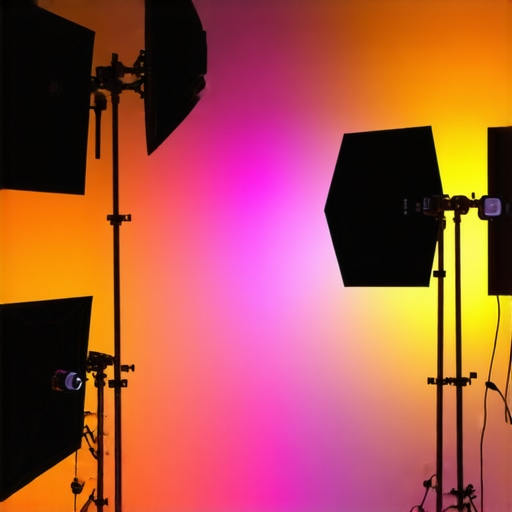
Imagine a professional lighting setup with softboxes and RGB accents placed strategically for even, flattering illumination.
It’s easy to overlook minor details like light height and angle, but these can dramatically affect the final image. For example, angling your softbox slightly downward can soften shadows and avoid unflattering glare on your face. Similarly, an improperly positioned RGB background light might wash out your scene or introduce color spill that’s hard to control. Advanced creators often use light meters or consistent test shots to fine-tune positioning, ensuring uniformity and color accuracy. This meticulous attention to detail is what separates good content from great. To refine your technique, I recommend reviewing [this guide on blending softbox and RGB lighting](https://lights.creatorsetupguide.com/ultimate-guide-to-rgb-softbox-lighting-for-studio-videos-in-2024).
Unlocking the Myth of Equal Lighting for Every Scene
Many believe that a one-size-fits-all lighting approach applies to all content. Whether shooting a interview, a product showcase, or a cinematic scene, the lighting needs vary significantly. For example, high-contrast lighting with hard shadows may suit dramatic storytelling but can be unbecoming for beauty tutorials. The nuance lies in adjusting your lighting to match your scene’s mood, subject, and context—something often missed by beginners eager for quick fixes. Remember, a well-placed and controlled light source can emphasize texture, shape, and emotion better than simply increasing brightness. To master scene-specific lighting, explore [this advanced article on professional lighting techniques](https://lights.creatorsetupguide.com/ultimate-guide-to-studio-lights-softboxes-rgb-led-panels). Have you ever fallen into this trap? Let me know in the comments.Maintaining professional-grade studio lighting is essential to ensure consistent results and protect your investment. Personally, I favor a combination of regular physical checks and software calibration to keep my softboxes, RGB panels, and LED lights working flawlessly. Every few months, I inspect cables, stands, and mounting brackets for signs of wear or damage, replacing or repairing any compromised components before they lead to bigger issues. For LED panels and RGB lights, I recommend using a light meter like the Sekonic C-800 to verify color accuracy and brightness levels, aligning them with your camera settings for seamless integration. Regularly updating the firmware of your RGB LED panels ensures optimal performance and access to new features, as manufacturers often release improvements that can significantly enhance color fidelity and stability. I also keep an organized log of your setup configurations and calibration data, simplifying troubleshooting and adjustments over time. Prediction-wise, as LED technology advances, expect smarter, more integrated systems that self-calibrate and connect to control apps—making maintenance even more straightforward and less time-consuming.
What I Wish I Knew When I Started Lighting My Videos
One of the biggest mistakes I made early on was undervaluing the power of proper light placement; I believed more lights meant better results, but I was actually overcomplicating my setup. It wasn’t until I focused on positioning my softbox at the right angle that my skin tone looked natural and shadows became flattering, dramatically improving my content’s professionalism.
Another lesson learned was the importance of color harmony—using RGB lights without understanding color temperature and saturation led to unnatural hues that distracted viewers. Mastering the subtle art of blending softbox diffusion with RGB accents brought depth and vibrancy without sacrificing realism, and this balance became a game-changer for my visual storytelling.
Finally, I discovered that regular maintenance and calibration of my lighting equipment are vital. A simple light meter and firmware updates kept my color accuracy consistent, preventing unpredictable shifts that could ruin a shoot. Investing time in understanding these details meant I could focus more on creating content and less on fixing issues later.
My Go-To Resources for Lighting Mastery
For comprehensive guides and trusted reviews, I rely on the ultimate guide to softbox & RGB lighting. It breaks down the setups step-by-step and offers DIY tips that have saved me countless hours. Additionally, I follow industry experts and subscribe to top RGB studio lighting reviews to stay ahead of the tech curve. These resources have become my trusted companions on the journey toward professional-quality videos.
Your Bright Future Starts Now
If you’re feeling overwhelmed by the options or unsure where to begin, remember that mastering studio lighting is a marathon, not a sprint. Every small adjustment—whether it’s perfecting your softbox angle or experimenting with RGB color schemes—brings you closer to content that truly stands out. Don’t be afraid to experiment, learn from your successes and failures, and celebrate each milestone along the way. Your journey to stunning, professional-looking videos starts with that first step—so go ahead and light up your creative path today!