
Ever spent hours trying to get the perfect shot, only to realize your lighting looks flat, unflattering, or just plain amateurish? I’ve been there, frustrated with inconsistent results despite having decent equipment. It was a lightbulb moment when I finally understood that good lighting isn’t about having the most expensive gear but about knowing how to use the right lights effectively. And trust me, once I got that figured out, everything changed. Today, I want to share how mastering LED panels and RGB studio lights can transform your videos from okay to professional-looking without breaking the bank.
Why Lighting Can Make or Break Your Video Quality
Let’s be honest — no matter how talented you are or how high-end your camera is, poor lighting will sabotage your efforts. It’s the silent hero of great video production. I used to think that investing in better cameras was the key, but I kept running into the same problem: my videos looked dull, grainy, or overly shadowed. That’s when I discovered the power of versatile LED panels and RGB studio lights. These lights don’t just illuminate; they set the mood, emphasize your subject, and add a professional polish that viewers notice immediately. And the best part? Modern LED and RGB systems are surprisingly affordable and flexible, especially when you understand how to leverage their features.
Are LED and RGB Lights Actually Worth the Hype?
Early on, I made the mistake of thinking I could get by with cheap, generic lights. Spoiler: I wasted money and countless hours trying to fix bad lighting in post-production. What I didn’t realize then is that the right lighting setup is an investment that pays off by saving time and elevating your content. According to a recent study, proper lighting can increase viewer engagement by up to 40%. That’s a game-changer, right? So if you’re skeptical about whether investing in LED panels or RGB studio lights is worth it, I get it. But I promise, once you see the difference in your videos, you’ll wonder why you didn’t do it sooner.
Now, if you’ve faced similar frustrations or are unsure where to start, don’t worry. In the next sections, I’ll walk you through how to choose the best lighting setup for your needs, so you can create videos that look professional, polished, and captivating. Ready to shed some light on your video projects? Let’s dive in!
Pick the Right Lights for Your Space
Before diving into setup, evaluate your workspace. Do you have a small home studio or a large dedicated room? For tight spaces, compact LED panels with adjustable brightness are ideal, like the best LED panel and RGB studio lights. For larger areas, consider multiple lights to create even illumination and avoid shadows. Remember, the goal is to create a balanced, flattering light for your subject.
Position Your Lights Effectively
Think of your lights as the paintbrushes in your filmmaking toolkit. Position them to highlight your subject’s best features while minimizing unflattering shadows. Place your main light (key light) at a 45-degree angle from your subject and slightly above eye level. Use a fill light on the opposite side to soften shadows, and add a backlight behind your subject to separate them from the background. I once started with just a single LED panel directly in front of me, which washed out my face. Moving it to a side angle instantly added depth and dimension, making my videos look more professional.
Adjust Brightness and Color Temperature
Fine-tune your lights to match your environment. Most LED panels and RGB lights allow you to set color temperature from warm to cool tones. Use warmer tones (around 3200K) for cozy, intimate videos, and cooler tones (around 5600K) for bright, energetic content. During a shoot, I initially used a fixed white balance, which made my videos look dull. Once I learned to adjust the color temperature dynamically, my footage gained vibrancy and consistency.
Control Light Intensity with Dimmers
Too much light can wash out your shot; too little leaves it grainy. Use dimmers on your LED and RGB lights to find that sweet spot. I recommend starting at 50% brightness and slowly increasing until your subject is well-lit without overexposing. Many modern lights support remote or app-based dimming, making adjustments quick and precise. This flexibility allows you to adapt to different scenes effortlessly.
Leverage RGB Features for Creative Effects
RGB lights are not just for basic illumination—they’re your creative secret weapon. Use their color-changing capabilities to set moods, emphasize themes, or create eye-catching backgrounds. For example, during a recent vlog, I used subtle blue tones to evoke calmness, then switched to vibrant reds for excitement, all without changing my physical setup. Check out the best RGB lighting systems for ideas on how to integrate these capabilities into your workflow.
Experiment and Refine Your Setup
Lighting isn’t a set-it-and-forget-it deal. It requires experimentation. Take time to move your lights around, tweak settings, and observe how different angles and colors influence your footage. I once spent an afternoon adjusting my key and fill lights, and the difference in my videos’ professionalism was staggering. Use your camera to review each change, aiming for even, flattering, and dynamic lighting.
Learn from the Experts
Finally, keep learning from resources like the best video lighting strategies and detailed guides on softbox lighting. They offer practical insights that can help you elevate your setup from amateur to pro faster. Remember, mastering your lights is a journey—each tweak brings you closer to stunning, professional-looking videos.
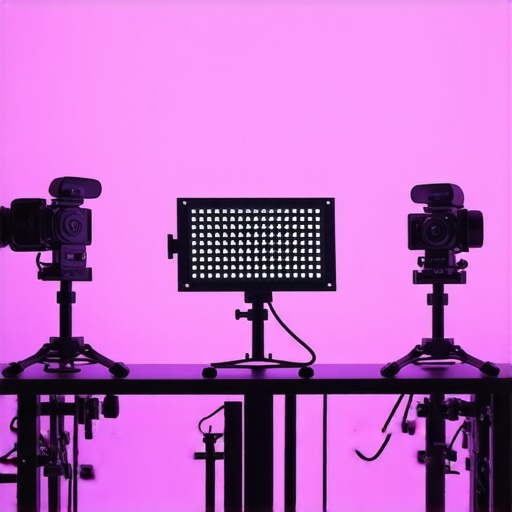
Many creators jump into lighting setups with preconceived notions that can actually hinder their progress. One widespread myth is that more expensive lights automatically mean better results. While high-end gear can offer advantages, the real magic lies in understanding how to *use* your lights effectively. For example, even affordable LED panels can produce stunning results when positioned and adjusted correctly, especially if you leverage their features like adjustable color temperature and dimming. Check out the best video lighting strategies to see how affordable options can outperform high-cost setups in skilled hands.
Investing in quality lighting equipment is just the beginning; maintaining it properly ensures your videos always look professional and polished. Over time, lights can accumulate dust, suffer from bulb degradation, or experience connectivity issues, all of which can compromise your setup. I’ve learned that a few simple routines and the right tools can extend the lifespan of your gear and keep your lighting consistent. Staying proactive with maintenance means fewer surprises during shoots and more reliable results every time.
Why Regular Maintenance Matters
Lights are subjected to frequent use, temperature fluctuations, and dust, which can lead to flickering, color shifts, or even hardware failure. Regular checks prevent these issues from escalating and save you money in the long run. For instance, replacing bulbs at the first sign of dimming ensures your lights maintain their brightness, and cleaning your fixtures prevents dust buildup that can reduce light output or cause overheating.
Tools I Rely On for Longevity
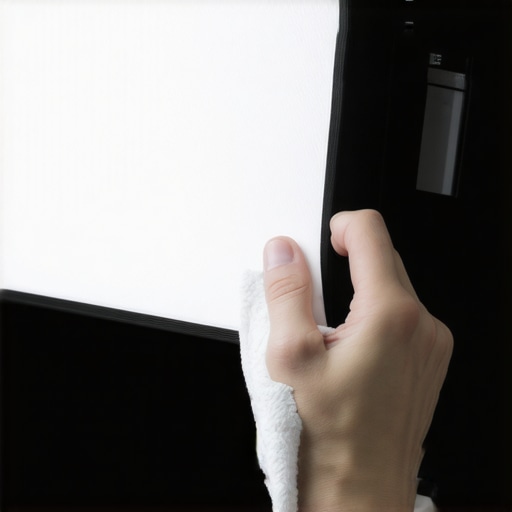
Personally, I swear by a few key tools that make maintenance straightforward. A microfiber cloth is essential for dusting and cleaning lenses and panels without scratching. For checking connections and cables, I use a digital multimeter to ensure consistent power flow and detect any wiring issues early. When it comes to replacing bulbs, I always keep spare LED modules compatible with my RGB panels, which are easier to swap out than traditional bulbs and last longer. Additionally, a small can of compressed air helps remove dust from cooling vents and internal components, preventing overheating and maintaining optimal performance.
How do I maintain my lighting setup over time?
Developing a routine is key. I schedule quarterly check-ups where I clean all fixtures, inspect cables for wear, and verify color consistency with a calibration tool. For LED panels, I perform a quick test to compare their output with my reference color chart, ensuring no drift has occurred. Keeping firmware updated for RGB lights is also essential, as manufacturers often release improvements that enhance stability and features. Investing in a good quality surge protector is another smart move to protect your gear from power fluctuations, especially during storms or unstable electrical environments.
Future Trends in Equipment Durability
As technology advances, I predict that lighting systems will become even more durable and easier to maintain. Modular designs, where components can be replaced individually, will likely become standard, reducing waste and cost. Additionally, smart diagnostics integrated into professional lighting will alert you to potential issues before they cause failures, streamlining maintenance. Manufacturers are also focusing on eco-friendly materials and energy-efficient components, which will extend the lifespan of gear and reduce operational costs.
To stay ahead, I recommend trying out the maintenance routines and tools mentioned here, especially investing in a quality multimeter and regular cleaning schedules. These small steps can save you hours of troubleshooting and ensure your lighting always performs at its best.
< >
>
Proper maintenance of your lighting equipment is crucial for professional results. Remember, even the most advanced RGB studio lights can underperform if neglected. For more detailed advice on keeping your gear in top shape, check out the ultimate guide to softbox RGB lighting. Take the time now to verify and care for your setup — your future self will thank you with flawless videos every time.
The Hardest Lesson I Learned About Studio Lighting
One of the biggest realizations I had was that even affordable LED panels can produce stunning results when I took the time to understand their features and experiment with positioning. I used to believe that only high-end gear could make my videos look professional, but I found that knowledge and technique are far more important than price tags.
3 Myths About RGB Lights That Held Me Back
I used to think RGB studio lights were just for fun color effects and not serious lighting tools. It wasn’t until I explored their creative potential—like setting moods or matching environments—that I truly appreciated their value. Don’t let misconceptions hold you back from unlocking these versatile tools.
What Experts Won’t Tell You About Maintaining Your Lighting Gear
Many creators overlook the importance of regular maintenance, which can prolong the lifespan of your lights and keep their output consistent. Simple routines like cleaning lenses, checking connections, and updating firmware can make a huge difference. Investing a little time now saves frustration and money later.
My Essential Toolkit for Lighting Mastery
I rely on a few key tools to keep my setup in top shape, including a microfiber cloth for cleaning, a digital multimeter for testing connections, and spare LED modules for quick replacements. These tools help me ensure my lighting remains reliable and professional.
Your Turn to Brighten Your Videos
Mastering LED panels and RGB studio lights is a game-changer for content creators. With a little experimentation and care, you can achieve stunning, professional-looking videos without breaking the bank. So, are you ready to shed some light on your projects and elevate your production quality? Dive into the world of versatile lighting today and see the transformation for yourself!
Reading through this guide really hit home for me. I initially thought that fancy, expensive lighting would automatically make my videos look professional, but I soon realized that understanding how to position and adjust even affordable LED panels can do wonders. For example, I often overlooked the importance of adding a backlight or tweaking the color temperature based on my environment, which made my footage look flat. Since I started experimenting more with angles and color settings, my videos have definitely improved in quality. What’s been your biggest lighting revelation that transformed your videos? I believe the key is patience and trial-and-error — mastering these tools takes time but pays off big.
I totally relate to the idea that understanding how to position your lights can make all the difference. I used to think that simply having good equipment was enough, but I often struggled with flat-looking shots until I started experimenting with different angles and adding fill lights. What really clicked for me was learning to use the backlight effectively; it helped my subjects stand out and added depth. Also, I’ve been playing around with color temperatures, matching them to the mood of the scene, which gives a much more polished look. It’s fascinating how even small tweaks can drastically improve the overall quality. Have you found that practicing with different setups helps you find your signature style, or do you prefer sticking to tried-and-true configurations? I’d love to hear about any particular setups or techniques that consistently work for you and others diving into lighting mastery.
This article really hits close to home for me. I used to think that investing in expensive lighting equipment was the only way to get professional-looking videos, but I realized that understanding how to manipulate more affordable LED panels makes all the difference. I remember starting with a single light and struggling to get a balanced shot; it was only when I learned to adjust the angle, brightness, and color temperature that my footage started to look more polished. It’s rewarding to see how small but strategic adjustments can drastically change the overall quality. I’m curious, how do others here balance creative effects with maintaining natural, flattering lighting? Do you have preferred color schemes or setups that consistently produce great results for different types of content? Would love to hear your tips and experiences. Thanks for such a thorough guide, it’s inspiring me to experiment more!
I couldn’t agree more with the emphasis on understanding and experimenting with your lighting setup. I’ve found that even small tweaks, like adjusting the angle or changing the color temperature, can drastically enhance the overall video quality. A couple of months ago, I started using RGB lights for color effects and was amazed at how much they added to my backgrounds—creating mood and atmosphere without needing extra equipment. What I’ve learned is that mastering these features isn’t just about having fancy gear but about patience and practice. Do others here find that incorporating colored lighting helps tell a more compelling story, or do you prefer sticking to natural tones? Personally, I think balancing creative effects with natural lighting is a fine art that really elevates content.