
I remember the exact moment I realized my studio setup was failing me during a crucial shoot. I had invested in fancy camera gear and thought I was all set. But when I hit record, my footage looked dull, flat, and completely uninspiring. The culprit? Unfocused, inadequate lighting that didn’t do my work justice. It was a lightbulb moment—literally. Since then, I’ve dedicated myself to mastering studio lights, especially softboxes, RGB, and LED panels, to turn those bland scenes into captivating visuals.
Why Good Lighting Can Make or Break Your Creative Projects
In my experience, the secret to professional-looking photos and videos isn’t just high-end equipment; it’s how well you illuminate your subject. Lighting can transform a simple shot into something vibrant and engaging or, if done poorly, turn it into a flat, uninteresting frame. This realization led me into a world of experimentation—trying different softboxes, color-changing RGB panels, and adjustable LED lights. The right setup can set the mood, highlight your best features, and elevate your entire production, making it worth every bit of effort and investment.
Is All Studio Lighting Created Equal, or Is There a Secret Sauce?
Early on, I made the mistake of assuming any light would do the trick. Spoiler: it doesn’t. Not all lights are created equal, especially when you want consistency, color accuracy, and control. I once bought a super cheap RGB light, only to find the color rendering was embarrassing and the setup was finicky. That experience taught me the importance of choosing quality gear—something I dive into more deeply in this guide. To see my top picks and learn how to select the best equipment for your needs, check out this comprehensive list of top RGB and studio lights.
Now, armed with that knowledge, I want to help you avoid the pitfalls I faced. Whether you’re setting up a new home studio or upgrading your existing system, understanding your lighting options and how to harness them can be a game changer. So, let’s get into the practical steps to illuminate your space like a pro!
.
Positioning Your Lights Effectively
Start by placing your key light at a 45-degree angle to your subject, similar to how the sun lights a person outdoors. For example, I once set up my softbox too directly in front, causing harsh shadows. Moving it slightly to the side softened those shadows and created a more natural look. Use adjustable stands to fine-tune height and distance, ensuring even coverage.
Using Softboxes to Diffuse Light
Softboxes act like giant diffusers for your light, spreading it out evenly and reducing harsh shadows. Think of them as umbrellas for your flashlight, but more controlled. I once experimented with different sizes—larger softboxes created softer light but required more space. For portraits, aim for larger softboxes to achieve a smooth, professional look. Follow these tips to optimize your softbox setup.
Control Your Color for Vivid Results
RGB and LED panels allow you to add colors that set mood and tone. Think of them as paintbrushes for your scene. During a shoot, I used my RGB panel to match the ambient colors of a sunset, transforming a dull shot into a vibrant scene. To refine your color mixing, start by setting your panel to a neutral white, then gradually introduce hues. For precise control, adjust brightness and saturation to avoid oversaturated colors that look unnatural. Check out these techniques for mastering color play.
Balancing Light Temperatures
Different lights emit varying color temperatures—warm yellows or cool blues—like mixing tea and coffee. Matching these temperatures prevents color inconsistencies. I once paired a warm LED with a cold fluorescent, resulting in my footage looking mismatched. Using a color temperature meter or adjusting your RGB settings helps unify the scene. Always set your lights to a consistent color temperature for a professional appearance. For detailed guidance, see this resource.
Creating Depth with Shadow and Light
Shadows add dimension—think of them as the contours on a face. To craft depth, position your lights at different angles and adjust their intensities. I once moved a fill light behind my camera to soften shadows on my subject’s face, adding depth without flattening the image. Use a reflector or bounce card to redirect light where needed, like bouncing sunlight into a darker corner. This technique prevents the scene from looking flat and boring.
Experimenting and Refining Your Setup
Achieving perfect lighting requires trial, error, and adjustments. Start with the basics—key, fill, and backlights—then tweak angles and intensities. I often take test shots, modifying my softbox’s position based on how shadows and highlights appear. Keep notes of what works, and don’t hesitate to try unconventional angles. For comprehensive techniques, explore this collection for inspiration. Remember, mastering lighting is a journey—your eye, combined with these methods, will lead to stunning results.Many creators assume that investing in high-end studio equipment automatically guarantees professional results, but in my experience, this is a common myth. One of the most overlooked nuances is the importance of proper light placement and understanding the true capabilities of your gear. For example, many believe that RGB lights can compensate for poor positioning, but without thoughtful placement, even the most vibrant colors will fall flat. Another misconception is that softboxes are always the best solution; however, for certain moods or compact spaces, LED panels with barn doors or grid attachments can offer more control and versatility. Beware of the trap of over-relying on flashy features like multiple color modes or high brightness without considering color accuracy and CRI (Color Rendering Index), which directly impact the authenticity of your visuals. In fact, professional videographers prioritize high-CRI LED panels to ensure skin tones and scenery appear natural, especially under mixed lighting conditions. When selecting your lighting setup, ask yourself: Am I prioritizing flexibility or just brightness? Incorporating expert insights, a study by the Society of Motion Picture and Television Engineers (SMPTE) emphasizes the importance of consistent color temperature and accurate color rendering for consistent footage quality. To elevate your understanding, check out our detailed guides on softbox strategies and advanced LED panel selection. Remember, mastering your lighting isn’t just about the equipment; it’s about the thoughtful application and understanding of those tools. Have you ever fallen into this trap? Let me know in the comments.
Keep Your Lights Working as Hard as You Do
Investing in high-quality studio lighting and tools is just the beginning; the real challenge lies in maintaining them over time to ensure consistent performance. Regular care and strategic troubleshooting can extend the lifespan of your RGB lights, softboxes, and LED panels, saving you money and avoiding production delays. I personally rely on a set of trusted maintenance routines that keep my setup running at peak efficiency.
How do I maintain my lighting equipment over time?
The first step is routine cleaning. Dust, fingerprints, and debris can diminish output and cause overheating. I use a soft microfiber cloth and gentle isopropyl alcohol for cleaning LED panels and softboxes, avoiding harsh chemicals that may damage components. For electrical connections and cables, I regularly inspect for wear or fraying and replace any damaged parts immediately, following manufacturer guidelines. Keeping firmware and software up to date ensures your smart RGB lights operate smoothly and incorporate the latest features, which can improve color accuracy and control reliability.
Superior tools make maintenance easier. For example, I use a digital color temperature meter to verify that my lights are calibrated correctly, especially after long sessions or transport. This precision helps prevent color inconsistencies, a common issue with aging or poorly maintained gear. To streamline calibration, I recommend advanced tools like the color calibration devices, which can save you hours of manual adjustments and ensure your visuals stay true to life.
What trends indicate the future of tool maintenance?
Looking ahead, I predict that integrated smart diagnostics and IoT-enabled fixtures will become standard, providing automated alerts for maintenance needs. Some newer models now feature self-cleaning surfaces or built-in sensors that monitor temperature, brightness, and operational health. Staying ahead means investing in gear with these capabilities and subscribing to manufacturer firmware updates, which often include performance improvements.
Don’t forget the importance of storage. Properly storing your lights, especially after extended projects, minimizes damage risk. Use protective cases and climate-controlled environments to prevent dust accumulation, humidity, or warping—factors that can degrade performance over time. For best practices, review my recommended maintenance routines and tools in our comprehensive guide on studio lights.
Ready to elevate your maintenance game? I suggest trying out a detailed calibration process with a professional color meter—it’s a small step that yields visible improvements. Regular care might seem tedious, but the payoff is high-quality, consistent visuals every time you press record.
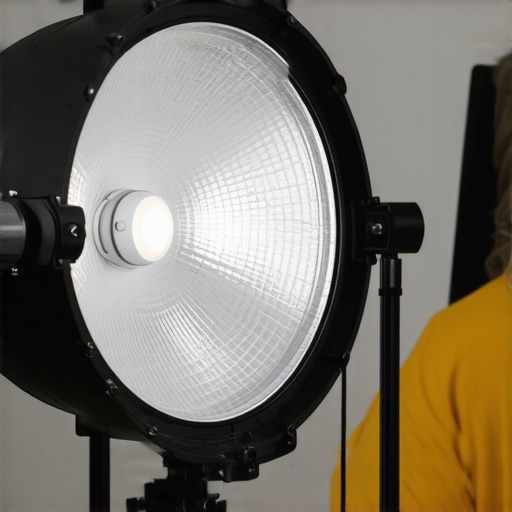
Uncovering My Biggest Learning Curve with Studio Lights
One of the toughest lessons I faced was realizing that even the most advanced RGB lights won’t shine unless positioned thoughtfully. I once spent hours adjusting colors—only to find my scene still looked flat because I overlooked the importance of light angles and placement. That experience taught me that mastering lighting isn’t just about equipment; it’s about the artistry of positioning and balance.
Another revelation was understanding that softer isn’t always better. I initially believed large softboxes were the gold standard, but in tighter spaces, they’ve limited my control. Experimenting with different modifiers like grid attachments and barn doors expanded my creative possibilities, emphasizing that versatility in tools can unlock new moods and effects.
Finally, I learned that consistency in color temperature is non-negotiable. During a shoot, mismatched warmth from different lights caused distractions. Investing in a quality color temperature meter paid off by ensuring my scenes looked seamless and professional. These insights have transformed my approach and can do the same for you.
Tools That Elevated My Lighting Game
- Color Temperature Meter: A game-changer for maintaining scene consistency. I trust my calibrated readings to avoid subtle mismatches that can ruin a shot.
- Advanced LED Panels: Their high CRI ratings and adjustable controls allow me to craft natural skin tones and balanced scenes. Check out these professional LED options.
- Diffusers and modifiers: Softboxes, grids, and bounce reflectors give me creative control over shadows and highlights, helping me shape the mood precisely. Dive into these softbox tips for inspiration.
- Calibration Tools: Regularly calibrating my lights prevents drift over time, preserving color accuracy and scene consistency. For detailed techniques, see this calibration guide.
Ignite Your Creative Lighting Journey Today
Remember, the world of studio lighting is as much about experimentation as it is about equipment. Every space, subject, and mood demands a unique touch. Embrace the process of refining your setup, learn from your setbacks, and celebrate your breakthroughs. Your creative vision deserves the best lighting you can craft—so start experimenting with confidence today!
What has been your biggest challenge in setting up a studio lighting system? Share your experience below—I’d love to hear your story!
Reading through this guide really resonated with me, especially the part about light positioning. I used to focus too much on flashy equipment and overlooked how crucial proper placement is in creating depth and avoiding flat images. Since I started experimenting with different angles and using bounce boards, the quality of my videos has improved significantly. I also learned the hard way that cheap RGB lights often lack true color accuracy, which can be deceptive when trying to achieve mood or tone. Investing in high-CRI lights made a huge difference for me, especially in skin tone representation. My biggest challenge remains balancing multiple light sources, especially in small spaces. How do others manage color temperature consistency when working with mixed lighting setups? Would love to hear your strategies–maybe there are some tricks I haven’t tried yet! Overall, this post reminds me that mastering lighting is an ongoing process of experimentation, but the results are definitely worth the effort.
This post really hits home. I’ve spent quite some time tweaking my softbox positions and experimenting with different angles to create more depth in my shots. It’s amazing how subtle adjustments to light placement can make a scene pop compared to relying solely on high-end gear. I also discovered that in small spaces, choosing a compact LED panel with barn doors helps me manipulate the light more precisely without overwhelming the setup. Regarding your question about managing color temperature in mixed lighting situations, I’ve found that using a good quality color meter is invaluable. It allows me to calibrate my lights before shooting, ensuring consistency, especially when combining daylight with artificial sources. Do others here also use tools like that, or have you found alternative methods? I believe that mastering lighting is an ongoing learning process—every project teaches me something new. Would love to hear more tips from the community on fine-tuning complex setups without losing control of the color balance.
I really appreciate this comprehensive guide! As someone who’s been building my home studio, I’ve found that the most overlooked aspect is actually how the light *bounces* and fills the space. Softboxes are great, but I’ve started experimenting with bounce surfaces and reflectors to soften shadows even more naturally. Regarding color temperature, I’ve experienced firsthand how mixing different lights without proper calibration can result in distracting color inconsistencies. Using a color meter has been a game-changer for me, especially when working with mixed lighting setups. I wonder, for those working in smaller or unconventional spaces, what are some creative ways you’ve optimized your lighting without cluttering the scene? Also, how do you manage to keep lights secure and stable when adjusting for different shots? Would love to exchange tips with other creators here—mastering lighting feels like an ongoing journey, and every insight helps!
This post really hit home for me. I’ve always believed that good lighting is the backbone of professional-looking content, but I often underestimated the importance of placement and angle. I used to rely heavily on softboxes, but I’ve found that experimenting with different modifiers like grids and reflectors has truly expanded my creative options, especially in tighter spaces. The part about managing color temperature really resonated—I’ve faced similar challenges when mixing lights with different temperatures, and using a good calibrated color meter has been a game changer. It’s fascinating how subtle tweaks can make such a difference in mood and depth. I’m curious, how do others here approach balancing multiple light sources without creating distractions through mismatched temperatures? Do you prefer manual calibration or some smart solutions? Looking forward to hearing more tips from the community to master this craft.