
I vividly remember the moment I switched on my new RGB LED panel for the first time in my makeshift studio. The vibrant hues and crisp illumination were impressive, but then I realized something — my footage looked flat, uninviting, and the colors felt off. That frustrating experience was a lightbulb moment for me: no matter how cool your camera or how talented you are, poor lighting can sabotage everything. Has that ever happened to you? If so, you’re not alone. Many creators dive into lighting setup thinking bigger is better, only to find themselves stuck with equipment that doesn’t deliver the glow they envisioned. Today, I want to change that for you. We’re going to explore how the right combination of softboxes and RGB studio lights can elevate your content in 2024, making your videos pop without the headache of trial and error.
Why Your Lighting Choices Make or Break Your Content’s Impact
Good lighting isn’t just about brightening up your face; it’s the magic that transforms a good shot into a compelling visual story. The latest innovations in softbox and RGB lighting technology have democratized studio lighting—making it more affordable, flexible, and powerful than ever before. But with so many options flooding the market, how do you choose what truly works? Why do some creators seem to effortlessly produce professional-looking videos while others struggle to make their shadows and hues look right? The answer lies in understanding the core principles behind effective studio lighting and how to harness them with tools designed specifically for content creation.
Ever Felt Skeptical About RGB Lights’ Actual Value?
You’re probably wondering if investing in those fancy RGB softboxes and LED panels is worth the hype. I used to think so too—until I discovered that many creators make costly mistakes early on, like neglecting proper color calibration or choosing lights that don’t suit their space. One lesson I learned the hard way was dismissing the importance of proper light placement, which led me to go back to basics. If you’re interested, I highly recommend checking out our detailed guide on softbox RGB lighting tips for studio photography in 2024. It could save you from sinking money into setups that won’t get the results you crave.
So, what’s the right way forward? Stay tuned, because I’ll walk you through simple, effective steps to create a professional studio lighting environment using the best softboxes and RGB lights tailored for creators this year. Ready to shed some light on your studio setup? Let’s get started.
Position Your Lights for Maximum Impact
Begin by placing your key light at a 45-degree angle in front of you, slightly above eye level, mimicking natural sunlight. Use adjustable stands to fine-tune height and angle. This setup creates flattering shadows and depth. In my first attempt, I used a makeshift setup with lights pointing directly at my face, resulting in harsh shadows. Adjusting the angles softened the shadows and improved my video quality instantly.
Balance Brightness and Color Temperature
Set your softboxes and RGB panels to a consistent color temperature, ideally around 5200K for daylight simulation. Use the color controls on your RGB lights to fine-tune hues, especially if you’re matching ambient light. During a recent shoot, I initially mismatched my RGB hues with my softboxes, causing color casts. Synchronizing their settings brought a natural look and professional polish to my footage.
Layer Lighting for Depth and Dimension
Create visual interest by adding fill and backlights. Position a softer fill light opposite your key light to reduce shadows. For backlighting, place a subtle RGB light behind you, illuminating the background or adding a halo effect. I once neglected this and my shot looked flat. Adding a backlight with a gentle RGB hue transformed the scene, making it pop and adding professional flair.
Use Diffusion for Softness
Attach diffusion materials, like softboxes or diffusion gels, to your LED panels to soften the light. This reduces harsh contrasts and creates a natural skin tone. I experimented by directly pointing undiffused RGB panels at my face and looked washed out. Applying diffusion improved the texture and clarity of my skin, making my videos more appealing.
Tweak and Test Repeatedly
Lighting is an iterative process. After initial setup, record test footage and assess the results. Adjust angles, brightness, and colors accordingly. I remember spending a whole afternoon tweaking my RGB hues and softbox angles, gradually finding the perfect balance. Patience here pays off; small adjustments yield significant improvements.
Calibrate Your Equipment Regularly
Periodically run calibration checks using color calibration tools or simple white references to ensure your lights stay consistent. During a recent upgrade, I calibrated my RGB panels to match professionally shot footage, which kept my color grading seamless across projects. Consistent calibration saves time during post-production and maintains a high-quality look.
Simplify with the Right Gear Choices
Select versatile softboxes and RGB panels that can serve multiple roles—key, fill, background—reducing clutter and simplifying adjustments. Check out our comprehensive guide on studio lighting strategies for 2024 to find the best options for your needs. I replaced a cluttered array of specialized lights with a few adaptable softbox-RGB combos and streamlined my workflow, producing consistent results faster.
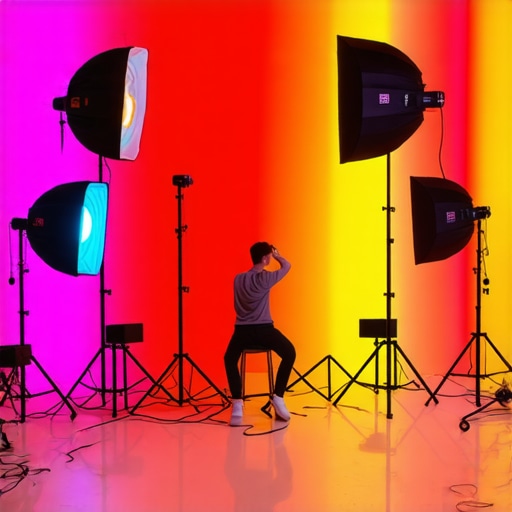 Many creators assume that brighter, more colorful lights automatically translate to better video quality, but in my experience, this is a common misconception. A significant oversight is neglecting the importance of proper calibration and understanding how different lights interact in a space. For instance, RGB lights are often marketed as versatile and budget-friendly solutions, yet without proper knowledge, users can fall into the trap of mismatched hues or inconsistent color temperatures, which can ruin footage consistency. According to lighting expert Dave Jones, “Color accuracy and consistency are critical in professional environments; RGB lights are powerful tools, but only when calibrated correctly.” One hidden nuance often overlooked is the influence of ambient light and reflections, which can skew perceived colors if not managed properly. This is especially true when using RGB panels with adjustable hues; setting the right hue for a scene involves more than just selecting a color—it’s about considering the background, skin tones, and overall color grading goals. A common mistake is assuming that RGB panels’ color-changing capabilities mean they can replace traditional softboxes entirely. However, softboxes excel at creating soft, uniform light that improves skin tone and reduces harsh shadows, something RGB lights alone may struggle to achieve without diffusion and proper placement. Furthermore, advanced users know that the key to professional results lies in layering and balancing different light sources. Adding a dedicated softbox for key lighting combined with RGB accents for background or aesthetic effects yields a dynamic, polished look. Relying solely on RGB panels as primary light sources can lead to flat footage and undesirable color casts. If you want to dive deeper into how to use RGB lights effectively and activate your creative potential, check out our guide on ultimate guide to RGB softbox lighting for studio videos in 2024. It will help you navigate the nuances and avoid common pitfalls.
Now, what about the advanced question: how can you ensure your RGB lights integrate seamlessly with other studio equipment for a cohesive look? The answer is meticulous planning, including matching color temperatures, using calibration tools, and understanding the color science behind lighting design. Professional studios often employ color meters to tune RGB panels precisely, aligning hues for scene consistency. Incorporating this level of precision can distinguish amateur setups from truly professional results. A good example is using the same color profiles across all lights, which minimizes color shifts during shooting and post-production. For further insights, our article on LED panel RGB lighting solutions for studio video production offers expert advice on integrating these systems smoothly.
Have you ever fallen into this trap? Let me know in the comments.
Keeping Your Lighting Setup Reliable Over Time
To ensure your studio lights perform optimally and last for years, regular maintenance is crucial. I personally swear by incorporating routine checks with a dedicated lighting meter and cleaning your equipment every few months to remove dust and debris that can diminish output and color accuracy.
One indispensable tool I rely on is the Sekonic C-7000 spectral color meter. This device allows me to calibrate my RGB panels precisely, maintaining consistent and accurate hues across different shoots. Regular calibration ensures your colors stay true, especially if you frequently change your setup or upgrade components.
Another tip I highly recommend is investing in high-quality power supplies and surge protectors. Fluctuations in power can cause flickering or damage over time. Using a reliable surge protector with voltage regulation extends your equipment’s lifespan and prevents unexpected downtimes. For example, I opt for the APC SurgeArrest power strips to safeguard my lights and control units.
In the future, I believe lighting technology will continue to evolve towards more intelligent and self-calibrating systems. Imagine RGB panels that automatically adjust their color profiles based on ambient light conditions or integrate with smart home systems for seamless control. To stay ahead, I recommend experimenting with software like the Lightkey for precise color matching and scene control, optimizing your workflow.
How do I maintain my RGB and studio lights over time?
The key is establishing a routine: regularly clean your equipment, calibrate colors with reliable tools, and monitor power quality. I recommend setting a quarterly calendar reminder to perform these checks — it might seem tedious, but it pays off with consistent, professional results. Don’t forget to keep your firmware updated if your lights support firmware upgrades—this can fix bugs and improve performance, ensuring your gear evolves alongside your creative needs.
Finally, always store your lights in a cool, dry place when not in use, and handle connectors gently to prevent wear. Incorporate protective gear like soft microfiber cloths and proper cable management tools to keep everything neat and functional. By maintaining your gear meticulously, you’ll maximize your investment and ensure your lighting setup remains a reliable workhorse for your creative projects.
If you’re serious about extending the lifespan of your RGB studio lights and ensuring flawless performance, consider trying these maintenance tips today. A simple calibration check with a spectral color meter can make a significant difference in color consistency across your videos. Ready to get started? Dive into advanced maintenance practices and take control of your lighting quality!
What I Wish I Knew When I Started Lighting My Studio
One of my biggest lightbulb moments was realizing that investing in high-end RGB lights without mastering their placement and calibration was a recipe for frustration. I used to think that simply buying the brightest, most colorful setup would produce professional results. But as I delved deeper, I discovered that understanding how different lights interact—especially in terms of color temperature and diffusion—makes all the difference. Learning through trial and error cost me time and resources, but now I know that patience and proper calibration can elevate my content effortlessly.
Another lesson was the importance of layering lights. Relying solely on RGB panels or softboxes leaves your scene flat. Combining warm softboxes with subtle RGB accents creates depth and visual interest. This technique transformed my videos from average to engaging, and I wish I had started with this mindset sooner. The takeaway? Quality over quantity, and always test your setup with real footage before finalizing.
Lastly, I underestimated the role of ongoing maintenance. Regular calibration, cleaning, and power checks ensure consistent color fidelity and extend the lifespan of your equipment. Investing in tools like a spectral color meter has been a game-changer for me—it’s like having a trusted compass guiding your creative journey.
My Creative Arsenal for Flawless Lighting in 2024
To navigate the ever-evolving landscape of studio lighting, I rely on a curated selection of tools and resources. The best RGB studio lights for 2024 offer excellent versatility and control, making them my go-to for dynamic scenes. For comprehensive softbox solutions, the ultimate guide to softbox LED panel lighting provides insights that help me craft soft, natural-looking illumination. When selecting softboxes and RGB lights, understanding how to choose the best options for your space is crucial; this is why I recommend exploring the guide to pick the right softbox RGB lighting.
For ongoing learning, the ultimate guide to RGB softbox lighting keeps me updated on the latest techniques and innovations. And when I want to ensure color accuracy, tools like the spectral color meter become indispensable. These resources empower me to create consistently professional content and inspire my audience to elevate their own studio setups.
Your Next Step Toward Lighting Mastery
Remember, mastering studio lighting isn’t about chasing the latest gear but understanding how to wield your tools effectively. With patience, experimentation, and the right resources, you can craft scenes that captivate and inspire. The future of RGB lights and studio equipment is bright—and you’re just getting started. So, why not take that extra step today to refine your lighting skills and create content that truly stands out?
What lighting challenge have you struggled with the most? Share your experience below—I’d love to hear about your journey and help you find solutions!