
Have you ever filmed a video only to realize afterward that your lighting was giving your face unflattering shadows, or worse—your colors looked washed out and lifeless? I remember the frustrating moments when I first started, battling with inconsistent lighting setups that made my videos look amateurish despite my efforts. One day, after a lot of trial and error, I had a lightbulb moment: it’s not just about having lights—it’s about mastering how to use them effectively. If you’ve faced similar frustrations, you’re not alone.
Why Lighting Can Make or Break Your Content
Good lighting is the backbone of professional-looking videos. It sets the mood, highlights your best features, and helps your audience connect with your content. But with so many options—from softboxes to RGB panels—it’s easy to get overwhelmed. Early on, I overpaid for expensive gear without understanding how to optimize it, which only led to disappointment. Now, I know that the right lighting setup, tailored to your space and style, makes all the difference. And believe me, even small adjustments can elevate your videos from amateur to engaging. If you’re serious about stepping up your game, exploring the best practices for softbox, RGB, and LED panel lighting can transform your studio. Want to see how I avoided common pitfalls? Check out this comprehensive resource on softbox and RGB lighting strategies for 2024. It’s packed with tips that will save you time and money, helping you create consistent, vibrant visuals that attract and retain viewers.
Is the Latest Lighting Gear Actually Worth the Hype?
Like many creators, I initially thought more expensive lighting meant better results. Turns out, I was wrong. Early on, I spent a fortune on high-end RGB panels without understanding how to set them up properly. Mistake number one: assuming that high price equal quality, instead of investing in education and knowing how to use what I had. A deeper understanding of your lights’ capabilities—like adjustable color temperatures and brightness levels—can dramatically improve your videos. For practical advice, check out this guide to softbox and RGB lighting solutions to see what truly makes your setup stand out. Mastering lighting isn’t just about the gear; it’s about how you use it. The goal is consistent, flattering illumination that brings your story to life without breaking the bank. Ready to learn the secrets I wish I knew when I started? Let’s dive into practical tips and tricks to get your lighting perfect every time.
Position Your Lights for Flattering Results
Start by placing your key light at a 45-degree angle to your face and slightly above eye level, pointing downward. This creates natural shadows that define your features without being harsh. I once set my softbox directly in front of me, causing flat lighting that washed out my face. Moving it to an angle instantly added depth to my shot.
Adjust Brightness and Color Temperature
Use your light’s dimming and temperature controls to match your environment and mood. For example, a warmer setting (~3200K) mimics indoor tungsten light, ideal for cozy scenes, while cooler (~5600K) matches daylight. During a recent shoot, I mixed daylight LEDs with warm softboxes, balancing the tones for a professional look. Experimentation is key—start with a neutral setting and tweak until skin tones look natural.
Create Depth with Fill and Back Lights
In my messy early days, I relied solely on one light, resulting in unflattering shadows. Adding a fill light, such as a smaller LED panel on the opposite side, softened shadows without flattening the image. Position the back light behind you to separate you from the background, increasing visual interest. I learned this by trial, placing a cheap RGB panel behind me, which vastly improved my scene’s dimensionality.
Nail the Softbox Setup for Even Lighting
To diffuse light evenly, place your softbox roughly 2–3 feet from your subject. Use a grid or barn doors to control spill. I once attempted to bypass using a softbox and ended up with uneven lighting, causing my face to look blotchy. After switching to a properly diffused softbox, my skin looked smooth and consistent, boosting viewer engagement. For detailed softbox tips, check out this comprehensive softbox guide.
Harness RGB and LED Panels for Creative Effects
Color-changing RGB lights add mood but require precise positioning. Think of them as paintbrushes—use them to highlight backgrounds or add accents. During a recent project, I set my RGB panel to a vibrant purple behind me to emphasize a sci-fi theme. Keep color saturation moderate to prevent distraction. Using adjustable RGB panels, like these versatile lights, allows quick experimentation with hues and intensities.
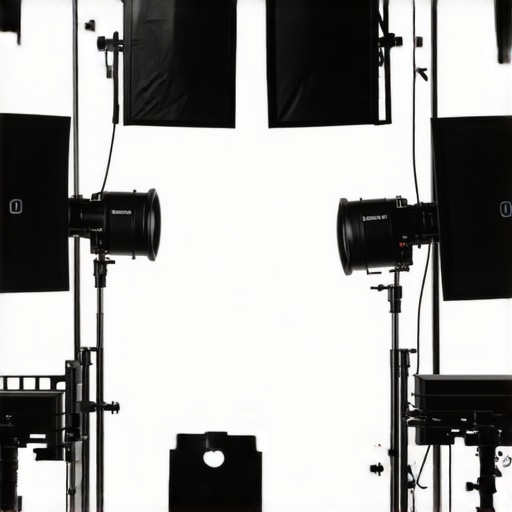
Capture the setup of RGB and softbox lighting in a professional video studio, showing multiple lights arranged for optimal coverage and color balance.
Run Test Shots and Calibrate Frequently
Before recording, always perform test shots to evaluate lighting accuracy. I recommend using a white balance card and my camera’s test mode. During my first attempts with a new RGB panel, I noticed color shifts in my footage, so I adjusted the panel’s settings and re-tested until colors matched my skin tone perfectly. Consistent calibration prevents surprises during the actual shoot.
Practice and Iterate for Consistency
Lighting setup isn’t a one-time task; it requires regular practice. Build a checklist: position, brightness, color, and adjustments. The more you experiment, the faster you’ll achieve a natural, professional look. I dedicated a weekend to adjusting and recording short clips, which helped me develop an intuitive sense of what works for my space and style. Use your recordings to analyze and refine your setup regularly.
Many video creators assume that simply adding RGB lights or softboxes automatically elevates their content without understanding the underlying nuances. This oversight often leads to subpar results, despite investing in high-end equipment. Let’s dig deeper into what most people get wrong about RGB lights, studio lights, LED panels, and softbox setups. First, a common myth is that brighter always equals better. While high luminous output is attractive, it can cause overexposure and wash out skin tones if not properly calibrated. Adjusting brightness and temperature is crucial; many overlook the importance of fine-tuning these settings for consistent results, as detailed in this softbox and RGB lighting guide. Another trap creators fall into is focusing solely on the latest gear—RGB panels with dazzling colors—without mastering foundational skills like proper positioning and diffuser use. An RGB light set at the wrong angle can create distracting color casts or uneven skin tones. Advanced users understand that diffuse light—via softboxes or modifiers—softens shadows and reduces harsh reflections, which can significantly improve video quality. Beware the misconception that all RGB lights are equal; not all offer precise color calibration or full-spectrum control. Cheaper models might produce banding or inconsistent hues, which can be hard to correct in post. Investing in high-quality RGB panels, like these top-rated options, is vital for professional results. For the advanced creator, understanding the subtle interplay between color temperature, saturation, and room reflection can make or break your visuals. Over-using colored lights can distract viewers, so moderation and strategic placement matter. Positioning lights slightly above eye level at an angle creates natural-looking highlights, as I emphasize in this comprehensive setup guide. One mistake I frequently encounter is neglecting calibration routines. Testing shots with a neutral gray card help ensure your lighting renders accurate skin tones and background balance, reducing surprises during editing. This step is often skipped because creators assume their equipment works perfectly straight out of the box, which isn’t the case. Do you align your lighting setup every few sessions? If not, you’re missing out on optimizing your visuals. Have you ever fallen into this trap? Let me know in the comments and share your experiences with RGB and studio lighting pitfalls.Proper maintenance is key to ensuring your studio lights, LED panels, and RGB systems perform consistently over time. Regularly inspect your equipment for dust, loose connections, or damage, especially after moving or adjusting setups. Use compressed air or a soft brush to keep softboxes and vents clean, preventing overheating and dust buildup that can dim light output. Firmware updates are crucial for smart RGB lights; manufacturers frequently release updates that enhance color accuracy and stability. Personally, I schedule quarterly updates and checks to stay ahead of hardware issues, avoiding unexpected failures mid-shoot. For example, updating firmware on my softbox and LED panels has improved my color rendering and device reliability. Investing in high-quality power supplies and surge protectors helps prevent damage from power fluctuations, extending the lifespan of your gear. I also recommend keeping a log of maintenance routines and any repairs; this habit helps to identify recurring issues and plan upgrades accordingly. To keep your lighting tools functioning optimally, consider investing in a dedicated, organized storage system — labeled cases or shelving for different components make quick setup and teardown smoother, reducing wear and tear. As the trend in lighting technology continues to evolve rapidly, staying proactive with maintenance will save you money and frustration over time. *Future lights may incorporate smart diagnostics,* alerting you automatically when components need attention, so embracing current best practices now prepares you for these upcoming innovations. How do I maintain my lighting over time? I follow a structured routine: regular cleaning, firmware updates, power protection, and documentation. Make it a habit to check your equipment after each shoot session, ensuring everything stays in top shape for your next project. To help streamline your maintenance, try implementing a checklist—it’s a simple yet effective way to extend your gear’s lifespan and keep your studio lighting looking professional night after night. For further insights, the comprehensive guide on softbox and LED panel upkeep offers detailed tips on routine care and troubleshooting.
Over the years, I’ve learned that the true magic in video creation isn’t just in the camera or editing software—it’s in the lights. The tiniest tweaks in positioning, color temperature, or diffuser use can transform a shot from flat and dull to vibrant and compelling. These lessons come from countless hours of trial, error, and a few eureka moments that reshaped my entire approach.
What I Wish I Knew About RGB Lights and Studio Setup
- Color calibration is king: High-end RGB panels can be tempting, but without proper calibration, you’re just chasing hues. Investing in quality and understanding their settings made a noticeable difference in my videos.
- Don’t overlook diffusion: Even the most sophisticated lights need diffusers to soften shadows and reduce glare. I found that integrating softboxes and diffusers early on saved me time and improved skin tones.
- Positioning is everything: Placing lights at the right angles—like a 45-degree key light—adds depth and dimension, preventing that flat look so many creators struggle with.
- Regular calibration saves frustration: Resetting white balance and color profiles every few shoots ensures consistency, especially when using RGB or multi-colored lights.
- Maintenance prolongs your setup’s life: Keeping your lights dust-free and updates current makes sure your visuals stay sharp and true to color over time.
Tools and Resources That Changed My Game
- The Ultimate Softbox and RGB Lighting Guide: This comprehensive resource is my go-to for understanding optimal setups and avoiding common pitfalls.
- LED Panel Strategies for Creators: It opened my eyes to how flexible and powerful LED panels can be when used properly.
- RGB Lights and Studio Equipment Tips: This helped me understand the importance of matching equipment quality with how I use it.
- Studio Setup Strategies: A must-read for creating a cohesive, professional-looking scene that enhances your storytelling.
Seize the Moment: Level Up Your Lighting Today
Lighting isn’t an afterthought—it’s the foundation of stunning video content. Whether you’re experimenting with RGB hues or perfecting softbox diffusion, taking action now can set your work apart. Remember, mastery comes from practice, patience, and continuous learning. Embrace the journey, and soon you’ll find yourself creating videos that captivate and inspire. Got a lighting hack that changed your game? Share your story below and let’s elevate our craft together!