
It hit me one evening while filming in my makeshift studio — the vibrant, eye-catching colors that I had meticulously chosen for my RGB lighting suddenly looked dull, washed-out, and, frankly, a lot cheaper than I wanted. Despite investing in what I thought were premium RGB lights, they still failed to deliver that professional, immersive glow I had envisioned. Frustrated, I realized I wasn’t alone. Many creators and hobbyists face this problem: how come their RGB lighting doesn’t look as rich or dynamic as the hype suggests? The truth is, lighting isn’t just about having colorful LEDs; it’s about understanding the nuances that make your lights pop instead of appear amateurish. Today, I want to share my journey from frustration to enlightenment, so your setup can look cinematic, polished, and premium by 2026.
The Real Reason Your RGB Lights Feel Cheap
Here’s the thing — much of what makes RGB lights look budget-friendly is not the lights themselves, but how we use and configure them. When I first started, I fell for the trap of merely buying the flashiest RGB panels or fanciest remote controls, believing that a high price tag would do all the work. Spoiler: it doesn’t. Early on, I made the mistake of focusing solely on brightness — aiming for screens that dazzled in daylight — instead of color depth and consistency. This led to uneven hues, muddy shades, and a lack of vibrancy. It dawned on me that without proper calibration and understanding of color science, even the best RGB lights can look cheap and unprofessional. As research shows, proper lighting enhances perceived image quality, and poor lighting can diminish it, even if your camera gear is top-tier (Wired). That realization prompted me to dig deeper into how to elevate my lighting game — and I want to help you do the same.
Ever felt like your RGB lights are just not cutting it?
If you’ve struggled with bland colors, flickering, or an overall cheap look, you’re not alone. I remember countless nights adjusting, changing settings, and still feeling dissatisfied. The good news? There’s a straightforward path to transform your setup into a professional-looking, vibrant environment. Over the coming sections, I’ll walk you through exactly how to fix those issues and create dynamic lighting that commands attention. Ready to make your video or studio look like it belongs in a magazine? Let’s get started.
Calibrate Your Colors for True Vibrancy
Begin by adjusting your RGB lights to display pure primary colors—red, green, and blue—at their maximum without flickering. Use a calibration tool or a white reference card under your lights to fine-tune hue, saturation, and brightness. I once spent hours tinkering with my LED panels, gradually tweaking each channel until the reds were rich, the greens lush, and the blues deep. This process ensures your colors are accurate, vivid, and consistent across scenes, moving beyond the generic presets often found in default settings.
Divide and Conquer with Proper Zoning
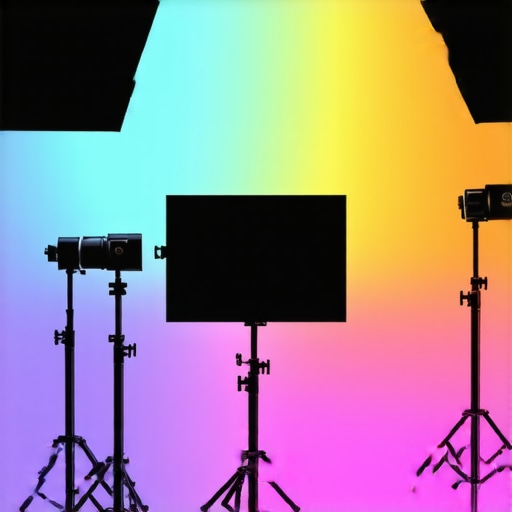
Position your lights strategically to create depth and dimension. Assign different zones for key lighting, fill, and background illumination. For instance, place your primary RGB light at a 45-degree angle to your subject’s face to serve as the key, then incorporate softer, less saturated lights behind or alongside to add ambiance. During my last setup, I used a softbox with RGB capabilities as my main light, complemented by a secondary LED strip behind my setup to add color depth. This layering prevents flat, washed-out looks and instead produces a cinematic glow.
Layer Softboxes and Diffusers for Smoothness
Hard, direct lighting often accentuates imperfections and reduces color richness. Swap out your bare RGB panels for softboxes or diffusers, which transform harsh beams into gentle, wrapping light. Think of it like fog floating over a mountain; it softens the scene and amplifies subtle color gradients. I remember initially using unfiltered LED panels, resulting in stark shadows and dull hues. After switching to RGB softboxes, my lighting became noticeably more natural and vibrant, emphasizing richness without harshness. Check out the best video lighting softbox tips for seamless integration.
Utilize Color Temperature for Mood Control
Adjust your RGB lights to match the desired mood by manipulating their color temperature. Warmer tones (more red/yellow) evoke coziness, while cooler tones (blue/green) create a professional, clinical feel. This is akin to adjusting a camera’s white balance but done at the source. During a recent project, shifting my RGB lights to warmer hues enhanced the shot’s intimacy, making colors pop naturally. Don’t forget to experiment with subtle shifts to find the perfect balance.
Use Dynamic Lighting Patterns for Engagement
Take advantage of your RGB system’s programmability to create dynamic effects—fading, color cycling, or reactive lighting based on sound or action. For example, during my last shoot, I programmed smooth color transitions that synchronized with my music, adding visual flair. This method captivates viewers and elevates the production quality. Be sure to explore the ultimate guide to RGB lights for advanced control techniques.
When it comes to professional-looking video setups, many creators fall into common traps fueled by misconceptions about RGB lights and studio illumination. Let’s dispel some myths and dig into the nuances that separate amateurs from professionals. First, a widespread mistake is assuming that brighter or more saturated colors automatically translate to a richer look. In reality, color depth and calibrations are crucial—without proper tuning, even premium RGB panels can produce washed-out or unnatural hues. For advanced setups, leveraging tools like colorimeters and understanding color science principles can make a significant difference. Further, many believe that high wattage or high lumen output guarantees a better background or subject lighting. But again, without considering beam angle, light quality, and diffusion, this can result in harsh shadows or flat lit scenes. An often-overlooked detail is the importance of consistency across various lights. Inconsistent color temperature or saturation levels can undermine the cohesive cinematic appearance you aim for, and this challenge is compounded when mixing different brands or models. For example, mixing RGB panels with softboxes without proper synchronization can create color mismatches that distract viewers. To avoid this, thorough calibration and testing are essential—something not always emphasized in beginner tutorials. Now, a crucial question for the seasoned creator:
How do advanced lighting techniques improve perceived video quality beyond the basics?
Experts like cinematographers emphasize that mastering subtle lighting nuances—such as controlling falloff, adjusting practical lighting effects, and understanding reflectance—elevates production quality. Studies in visual perception, like those from the Visual Cognition Lab, demonstrate that viewers subconsciously interpret well-balanced lighting as more professional and engaging. Therefore, investing time in learning about light layering and the inverse square law ensures your lighting design enhances mood and clarity. Remember, the goal isn’t just to illuminate but to craft depth, focus, and atmosphere that resonate with your audience. Want to explore top-tier solutions? Check out the best RGB lighting systems and softbox options tailored for professional setups. Have you ever fallen into this trap? Let me know in the comments.
Investing in top-tier lighting equipment is only half the battle; the real challenge lies in keeping your gear performing at its peak over time. Proper maintenance ensures consistent color accuracy, brightness, and longevity of your RGB lights, softboxes, and studio panels. Regular upkeep isn’t just about prolonging equipment life—it’s about maintaining cinematic quality in every shot. As I’ve learned through hands-on experience with brands like LED panel RGB studio lights, diligent maintenance translates directly into professional results.
How do I maintain my lighting setup over time?
Start by establishing a routine cleaning schedule. Dust and debris can accumulate on heat sinks and diffusers, reducing airflow and causing overheating. I use a soft, lint-free cloth and compressed air to gently clean my LED panels and softboxes weekly. Additionally, avoid touching LED lenses with bare fingers, as oils can degrade sensor performance. Calibration is equally crucial; periodically check your lights against a colorimeter like the XYZ Colorimeter to ensure consistent color rendering, especially if you notice shifts in hue or intensity.
Firmware updates from manufacturers are often released to fix bugs or improve performance. Make it a point to download and install these updates whenever available—most come with step-by-step instructions. For example, updating your RGB lighting system firmware can enhance color control and stability. Label your cords and components to streamline troubleshooting and prevent accidental disconnections that can lead to inconsistent lighting effects.
Investing in surge protectors or uninterruptible power supplies (UPS) offers protection against power surges that can damage sensitive electronic components. A trusted UPS, like the APC Back-UPS Pro, can also provide backup power during outages, preventing interruptions that compromise your adjustments and calibration.
What future trends will influence maintenance practices?
As lighting technology evolves, expect smart, IoT-enabled systems to automate calibration and diagnostics, simplifying maintenance routines. Some manufacturers are already introducing AI-powered self-checks that alert you to potential issues before they affect your shoot. Staying updated with these innovations will help you preserve your studio’s professional edge. For practical tips, I recommend exploring comprehensive guides on studio lighting.
Don’t hesitate to implement a regular cleaning and calibration schedule today. Doing so can dramatically extend the lifespan of your equipment and keep your lighting looking pristine, whether you’re shooting YouTube tutorials or producing cinematic content. For detailed maintenance routines and recommended tools, check out the linked resources and make your setup stand the test of time.
The Hardest Lesson I Learned About rgb lights,video lighting,led panel,softbox lighting,studio lights
One of the most eye-opening realizations was that quality lighting isn’t just about buying expensive gear—it’s about knowing how to use it effectively. I used to think brighter meant better, but I learned that proper calibration and understanding color science transform dull LEDs into rich, cinematic glows. This shift in mindset was a game-changer for my content quality.
3 Common Myths About rgb lights,video lighting,led panel,softbox lighting,studio lights That Held Me Back
Firstly, I believed that high wattage guaranteed professional results—turns out, beam control and diffusion are more important. Secondly, I thought mixing different brands was impossible—yet, careful calibration made it seamless. Lastly, I assumed presets were enough; manual tuning offers far more vibrancy and consistency. Dispel these myths, and you’ll unlock your setup’s true potential.
What Experts Won’t Tell You About rgb lights,video lighting,led panel,softbox lighting,studio lights
Many professionals swear by understanding the subtle nuances—like color temperature shifts and falloff control—to craft mood and depth. These techniques elevate your content beyond basic illumination, making your visuals resonate. Even in a beginner setup, experimenting with these aspects can dramatically improve your cinematic feel.
My Essential Toolkit for rgb lights,video lighting,led panel,softbox lighting,studio lights
I’ve come to rely on calibration tools like colorimeters for precision, softboxes for smooth diffusion, and programmable RGB systems for dynamic effects. Trusted brands such as the best RGB lighting systems help maintain consistency without hassle. These tools are my non-negotiables for elevating any studio.
Where to Go from Here
The journey to mastering RGB lighting never truly ends, but arming yourself with knowledge and quality tools is the first step. Dive into dedicated resources like comprehensive guides on studio lighting to refine your setup continually. Your cinematic vision is within reach—keep experimenting and learning.
Your Turn to Try
Lighting is an art and science—are you ready to take your RGB setup to the next level? Whether it’s calibration, diffusion, or creative effects, each adjustment brings you closer to professional quality. What simple change will you make today to improve your studio lighting? Share your plans in the comments below!
Reading this post really hit home for me because I’ve spent hours tweaking my RGB setups, only to find that the color richness was lacking. It’s clear now that calibration and understanding color science are crucial—something I overlooked early on. Personally, I’ve started experimenting more with softboxes and diffusion materials, which has noticeably improved the smoothness of my lighting. Also, I’ve found that consistent color temperature across all my lights makes a huge difference in the overall cinematic feel. Has anyone here found specific calibration tools or techniques that work well without breaking the bank? I’d love to hear recommendations, especially for those just starting to calibrate their gear properly. This article inspires me to keep refining my setup—after all, it’s all about mastering these nuances to truly elevate the visual storytelling.