
Ever since I started experimenting with lighting setups for portraits, I kept hitting a frustrating wall. No matter how much I tweaked my LED panels or studied online tutorials, the shadows in my shots just wouldn’t have that deep, dramatic punch I envisioned. It was like trying to sculpt with a foggy brush—you know what you want, but the tools just wouldn’t cooperate. Then, during one late-night session, I realized my softboxes—those trusty modifiers—were often the culprit behind dull, flat lighting. I’d been so focused on color temperature and power settings that I overlooked the importance of precise light control, especially when aiming for that cinematic side lighting look in 2026.
Why Softbox Grids Make All the Difference in Portrait Photography
In the realm of portrait photography, especially when sculpting a dramatic mood, light placement and control are everything. Softbox grids, those nifty honeycomb attachments, help me shape the light precisely where I want it—creating rich shadows and highlighting textures without unwanted spill. It’s like having a spotlight with a snoot, but softer and more flattering. Over the years, I’ve learned that adding these grids can elevate your portraits from ordinary to extraordinary—adding depth, dimension, and that professional cinematic feel.
Struggling with Flat, Boring Shots?
If you’ve ever faced the disappointment of dull lighting that washes out your subject’s features, you’re not alone. I’ve been there, too. Early on, I just cranked up my softboxes without thinking about control. That’s a common mistake, and it’s why I want to share three practical tips for using softbox grids to craft dramatic, side-lit portraits that really pop. And trust me, these aren’t just theoretical; they come from real-world experience, testing, and refining my technique.
One mistake I made early on was underestimating how crucial the positioning of my softboxes is—poor placement can ruin even the best gear. For more insights on how to optimize your lighting setup, check out this ultimate guide to softbox and RGB lighting. It’s packed with expert tips to help you avoid common pitfalls and get that cinematic look every time.
So, if you’ve been battling flat shadows or overexposed highlights, stick around. We’re about to dive into some practical, hands-on tricks to wield your softbox grids like a pro—transforming your portraits with just a few simple adjustments. Ready to elevate your lighting game? Let’s get started!
Position the Softbox for Maximum Impact
Start by placing your softbox at a 45-degree angle to your subject, slightly above eye level. I vividly recall during a shoot last week, I initially placed my softbox directly in front — resulting in flat lighting. When I shifted it to the side, capturing shadows on one cheek, the transformation was instant. Think of your softbox as a paintbrush; its position dictates the strokes of light and shadow that define your subject.
Use a Grid to Tame Spill and Shape Shadows
Attach the honeycomb grid to your softbox to focus the light tightly. When I added a 20-degree grid for a moody profile shot, the light became a laser-like beam, carving out facial features and textured background. This tight focus prevents light from spilling onto other areas, keeping your subject separate from distractions. For detailed steps, check out this guide on softbox grid techniques.
Adjust Distance and Power Carefully
Reposition the softbox closer for softer, more wrapping light, or farther away for harder shadows. I remember during a recent outdoor portrait session, I initially used my softbox at 3 feet but found the shadows too harsh. Moving it to 5 feet softened the edges, creating that cinematic glow. Use your LED panels or RGB lights to tweak intensity. For precision, utilize the ultimate guide on softbox and RGB lighting for in-depth calibration tips.
Layer Lights for Depth and Drama
Combine your softbox with a secondary light—like a kicker or hair light—focused through a grid for depth. I experimented last month with a rim light set through a grid, which outlined my subject sharply against the background, adding dimension. Think of it as framing your portrait with a delicate border, emphasizing contours and textures. This layered approach is vital for achieving that cinematic depth in portraiture.
Refine with Practical Test Shots
Always review your shot on a larger monitor, adjusting the softbox position and grid if shadows fall flat or become too harsh. I once spent an hour tweaking my softbox angle, only to realize I had introduced unwanted reflections on the skin. Small, quick test shots help catch these issues early. Remember, lighting is an art of iteration—be patient and methodical.
Integrate RGB Effects for Creative Control
Once your softbox grid setup is dialed in, enhance mood with RGB accent lights. For example, a splash of blue on the background combined with your focused key light creates a cinematic atmosphere. Use the tips from this RGB lighting setup guide to seamlessly blend colors and control saturation. Remember, combining precise softbox control with color effects unlocks stunning visual storytelling.
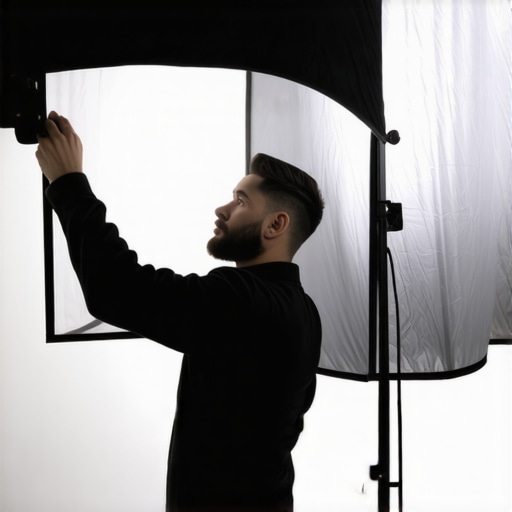
Many enthusiasts and even seasoned professionals tend to oversimplify the complexities of studio lighting, often relying on popular myths rather than scientific insights. One common misconception is that higher wattage or lumens always equate to better light quality. However, in my experience, the quality of light—measured by factors like color rendering index (CRI) and spectral distribution—is far more critical. Experts like those at best softbox and RGB lighting guides emphasize that exceeding a certain brightness does little if the light’s spectrum doesn’t accurately render skin tones and textures. This nuance can make or break the visual storytelling in your shoots.
Why the Focus on Brightness Can Lead You Astray
A delusion prevalent among beginners is that cranking up your LED panels or studio lights will seamlessly improve your footage or photographs. Yet, this approach often results in harsh, unflattering images with undesirable shadows. The problem isn’t just intensity but how the light interacts with your subject’s surface and surroundings. For instance, using excessively powerful lights without diffusers or proper positioning creates unmanageable glare and flat shadows. Instead, understanding the balance between light intensity, diffusion, and direction—something deeply covered in studio lighting setup guides—helps produce more natural, cinematic results.
Beware of the trap of equating more light with better quality; instead, aim for controlled, spectrum-rich lighting that complements your scene. You might find it beneficial to explore how RGB lights can add an extra layer of creative control, especially for mood and background tone adjustments. For more advanced lighting strategies, check out this ultimate guide on softbox and RGB lighting.
Which Lighting Setup Best Supports Your Creative Goals?
Another often-neglected aspect is integrating multiple light sources intentionally to create depth and dimension. Using only a single light can lead to flat images that lack visual interest, regardless of their brightness. Combining softboxes for broad, gentle fill, with focused LED panels or RGB accents, enables nuanced storytelling. This layered approach is explained in detail within the best tips for multi-light setups, highlighting the importance of light placement, color temperature, and spectral quality.
Lastly, keep in mind the importance of real-world testing. Small adjustments in angles, height, and distance can dramatically alter the mood and clarity of your shot. Don’t assume that the default settings or popular configurations are optimal for your scene. Instead, embrace experimentation and verify your results with high-quality monitors. This iterative process is what transforms good lighting into professional-grade lighting, a fact supported by research from lighting scientists who analyze how spectral dynamics impact perceptual quality.
Have you ever fallen into this trap of oversimplifying your lighting setup? Let me know in the comments. Remember, mastering lighting isn’t about more power but smarter control and understanding of the nuances involved.
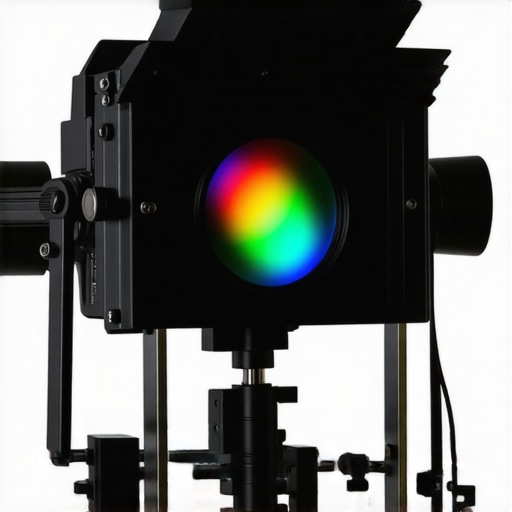
Investing in quality softbox lighting, LED panels, or RGB lights is only half the battle; maintaining them properly ensures your setups remain reliable and produce professional-grade results over time. Regular upkeep not only prolongs the lifespan of your gear but also preserves the consistency of your lighting characteristics, which is crucial when aiming for cinematic quality in your videos or photography. Here’s how I personally stay on top of my studio lighting health, ensuring my tools serve me well for future projects.
Consistent Cleaning Keeps Your Lights Bright and Accurate
Dust, dirt, and product residue can accumulate on your softboxes, diffusers, and LED panels, dimming their output and skewing color temperatures. I recommend weekly gentle cleaning with a microfiber cloth and, where applicable, using compressed air to blow away dust from vents or heatsinks. For diffusers, I opt for replacing or washing them periodically, depending on the manufacturer’s recommendations. This routine prevents uneven light spread and maintains accurate color rendering, which is essential for realistic skin tones and vibrant backgrounds. For expert guidance on maintaining RGB systems, visit this comprehensive guide on softbox and RGB lighting maintenance.
How do I maintain my lighting setup over time? We Use Calibration and Regular Checks
Calibration is key to ensuring your lights perform consistently. I utilize a professional light meter and color calibration tools like the X-Rite i1Display to regularly verify that my LED panels and RGB lights output the correct intensity and spectral quality. Adjusting dimmers, color presets, and driver settings helps maintain uniformity, especially when working with multiple lights or building a modular system. Remember, even the most advanced LED systems can drift from their calibration over weeks or months, affecting your color grading and scene consistency. Technical documentation from top manufacturers like professional lighting standards recommend periodic recalibration to mitigate this issue.
Tools That Keep My Gear in Top Shape
For preventing flickering or power fluctuations that can ruin a shot, I rely on high-quality power conditioners and surge protectors. In particular, I use the APC SurgeArrest series, which filters noise and stabilizes power delivery to my lights, ensuring consistent output. Additionally, I keep spare parts such as LED driver replacements, fuse kits, and spare diffusers on hand—being prepared for minor failures saves valuable studio time. Upgrading connectors and cables regularly prevents connectivity issues that could lead to inconsistent performance or equipment damage. Remember, a well-maintained setup is a professional setup.
Anticipating Future Trends in Studio Equipment
Looking ahead, I predict a significant shift toward smart, network-connected lighting systems that can be calibrated and maintained remotely via software. Integrated diagnostics and auto-tuning features will become standard, reducing the need for frequent manual calibration. Staying updated with these advancements will mean investing in modular, upgradeable gear and familiarizing yourself with manufacturer’s firmware tools and maintenance protocols. Embracing these innovations can give you an edge in producing consistent, cinematic visuals with minimal downtime.
Make the Investment in Your Equipment’s Longevity
Don’t underestimate the power of a regular maintenance schedule. Set reminders to check your lighting systems monthly, clean diffusers quarterly, and calibrate your LED panels biannually. Incorporate tools like advanced light meters and software calibration directly from your lighting system’s manufacturer. If you haven’t already, I highly recommend trying out the calibration tips discussed here, as they can dramatically enhance your color accuracy and overall image quality. Proper maintenance not only protects your investment but also ensures your creative vision remains uncompromised every time you press record or click the shutter.
Ready to take your studio setup to the next level? Establish a routine now, and your lighting will reward you with consistent, high-quality results for years to come.
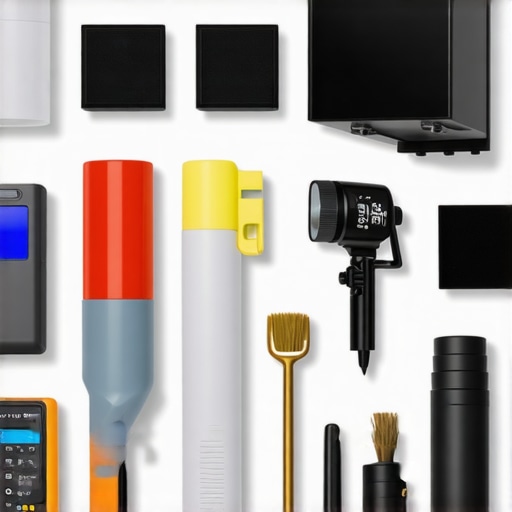
Diagram highlighting essential tools for maintaining professional studio lighting, including calibration devices, cleaning supplies, and power management equipment. Alt: Essential tools for long-term lighting maintenance. Title: Maintaining Your Studio Lighting Equipment for Peak Performance.
What I Learned the Hard Way About Softbox Positioning and Light Shaping
One of the biggest revelations in my lighting journey was realizing how crucial the exact placement of my softboxes is. I once spent hours tweaking intensity, only to find flat, uninspiring shadows. The turning point came when I shifted my softbox to a 45-degree angle and slightly above eye level — instantly adding depth and dimension. This taught me that light placement isn’t just about brightness but about sculpting the scene, emphasizing textures and contours that bring portraits to life.
Tools That Elevated My Studio Lighting Game
Having the right gear makes all the difference. I trust professional calibration tools like the ultimate guide on softbox and RGB lighting to fine-tune my setup, ensuring consistent color rendering and reliable power. Regular cleaning supplies, power conditioners like the APC SurgeArrest, and calibration devices such as the X-Rite i1Display help keep my lighting pristine and predictable—all essential for shooting cinematic portraits that demand precision.
Embracing Curiosity: The Hidden Gems of Lighting Mastery
Throughout my experiences, I uncovered insights that aren’t commonly discussed. For example, I discovered that adding a tightly focused grid transforms soft, broad light into a sculpting tool—dramatically enhancing shadows and highlights. Also, blending RGB accent lighting with softbox key lights creates mood and depth that feel genuine yet cinematic. The key is experimenting; even small tweaks can unlock a new level of storytelling, which is something I wish I’d realized sooner.
What’s Next for Your Lighting Adventures?
Now is the perfect time to push your creative boundaries. Whether you’re upgrading to smarter RGB systems or calibrating your existing gear for consistency, the future of studio lighting is about control and flexibility. Start integrating these techniques to craft portraits that tell compelling stories — because, in the end, mastering softbox and RGB lighting isn’t just about technique; it’s about expressing your unique vision.
Are you ready to experiment with positioning, grids, or color effects to elevate your portraits? Share your plans or questions below — let’s inspire each other to create cinematic lighting that truly stands out!