
I remember the exact moment I struggled to get my lighting right for a YouTube video. Despite investing in what I thought were top-tier lights, my shots looked flat, washed out, or just plain unappealing. It was frustrating. I knew the lighting was supposed to be the magic touch, but I couldn’t quite crack the code. Then I realized—lighting isn’t just about brightness; it’s about color, placement, and understanding the tools at your disposal.
Why Lighting Can Make or Break Your Creative Content
If you’ve ever filmed a video or shot photos, you know how critical good lighting is. It’s the canvas on which your story is painted. When your lighting looks dull or inconsistent, it distracts your audience and undermines your message. That’s why investing in the right LED panels and RGB lighting solutions is a game-changer. Not only do they give you control, but they also unlock creative possibilities you might not have considered.
In 2024, the landscape of lighting technology is evolving rapidly. From affordable RGB LED panels that can change color on the fly to softboxes that diffuse light for a natural look, the options are vast. But with so many choices, it’s easy to feel overwhelmed or pick the wrong equipment. That’s where my experience comes in. I’ve tested countless setups, made my share of mistakes, and discovered what truly works for creating stunning content.
One mistake I made early on was assuming that more expensive equals better. Turns out, understanding your specific needs and how to use your lights effectively matters more. For example, knowing when to use RGB lighting for mood or special effects can elevate your videos dramatically. For detailed guidance, check out this comprehensive guide.
So, what will we cover today? I’ll walk you through the essential tips and tricks to get the most out of your LED panels and RGB lights. Whether you’re a beginner or looking to refine your setup, I’ve got insights that will help you achieve professional-looking results without breaking the bank.
Is RGB Lighting Overhyped or Truly Worth It?
It’s a common skepticism I hear from creators just starting out. “Do I really need all these color options?” Honestly, I was there too. My early mistake was thinking that RGB was just a gimmick. But once I learned how to use different colors for mood, branding, or special effects, I realized it’s a powerful tool. RGB lighting can transform a dull scene into something vibrant and engaging. For more on how to harness its potential, see this article.
In the end, the right lighting setup isn’t just about the gear—it’s about how you use it. And that’s what I aim to share with you today. Ready to take your content to the next level? Let’s dive into the practical tips and tricks that will make your videos stand out in 2024 and beyond.
Position Your Lights for Flattering Results
Start by placing your LED panels at a 45-degree angle to your subject, slightly above eye level. This classic setup mimics natural sunlight and creates soft, flattering shadows. I remember the first time I tried this, my face looked more vibrant and natural, unlike the flat look I got when lights were directly in front.
Balance Brightness and Color Temperature
Set your lights to match the ambient daylight or indoor lighting to avoid color mismatches. Use your light’s dimmer to avoid overexposure, especially when shooting indoors. For example, during a recent product review, balancing my RGB backlight with my softbox made the product pop without washing out the details.
Utilize RGB for Mood and Branding
Pick specific colors that match your content’s mood or your brand identity. For a dramatic effect, set your RGB lights to deep red or blue, then adjust brightness for subtlety. I once used this trick during a Halloween-themed video, transforming a simple background into a spooky scene effortlessly. Check out this guide for advanced color techniques.
Create Depth with Light Positioning
Add a second light behind or to the side of your subject at a lower intensity. This creates separation from the background and adds depth. I recall experimenting with a side light for a portrait shoot; the subtle rim light made my subject stand out dramatically, elevating the shot instantly. For soft, diffuse side lighting, softboxes are your best bet. See this article for softbox tips.
Use Diffusers and Modifiers for Soft Light
Attach softboxes or diffusion filters to your LED panels. This reduces harsh shadows and produces a natural look. I learned this the hard way when I used bare LED panels—my shots had unflattering shadows. After adding diffusers, everything looked more professional and pleasing. For more on modifiers, visit this resource.
Adjust and Test Before Shooting
Always do a quick test shot after adjusting your lights. Move your lights around, tweak brightness, and change colors to see what works best. During a recent shoot, I spent extra minutes testing, which saved me hours of re-shoots later. Keep a small reflector or bounce card handy to redirect light and fill shadows naturally.
Incorporate Light for Creative Effects
Use RGB lights to create animated effects or color shifts during your videos. Sync your lights with music or transitions for dynamic visuals. I once set my RGB panels to pulse in sync with background music, which added a captivating layer to my content. Experiment with different settings to discover what enhances your storytelling. For detailed techniques, explore this comprehensive guide.
Maintain a Consistent Look
Finally, save your preferred settings as presets if your lights support it. Consistency helps your brand look professional. I made the mistake of adjusting lights between shots, which created visual inconsistency. Now, with a preset, I ensure my lighting remains uniform across videos. Check out this guide for tips on maintaining consistency.
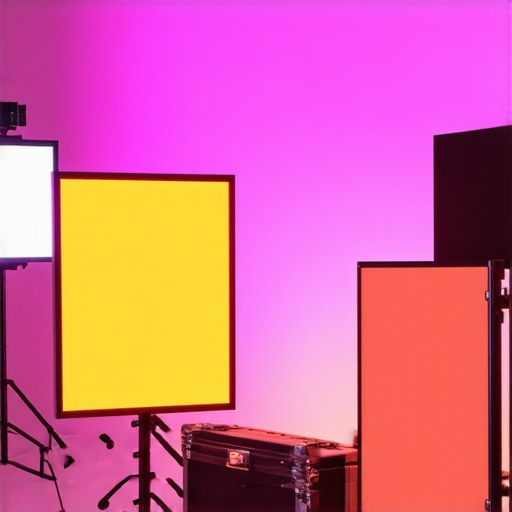
Many creators fall into common traps when setting up their lighting, often based on misconceptions that can hinder their content’s quality. Let’s dig deeper into these nuances and uncover what most people get wrong about lighting, especially with the advanced options now available in 2024.
Why Believing More Expensive Lights Guarantee Better Results Is a Trap
One of the most persistent myths is that high-cost, professional-grade lighting equipment automatically produces superior visuals. While premium gear has its advantages, the real secret lies in understanding how to use your lights effectively. For example, a $200 RGB panel used with proper positioning, diffusing, and color balancing can outperform a $1,000 light that’s poorly set up. It’s essential to focus on the quality of your light’s placement and settings, not just the price tag. For nuanced guidance on choosing the right tools, check out this comprehensive guide.
Beware of the Brightness-Only Mindset
Many creators think that cranking up brightness is the key to good lighting. However, overexposure can wash out your scene and eliminate depth, making your shots look flat. Instead, mastering the balance between intensity and diffusion creates a more natural, professional look. Using dimmers and adjusting your color temperature to match ambient light is crucial—especially when working with RGB lights, which offer dynamic color control. Remember, subtlety often outperforms brute force. Explore this guide for advanced techniques on mastering brightness and color harmony.
Advanced Question: How Can Color Temperature and RGB Color Mixing Impact Your Final Look?
Understanding the nuances of color temperature and how RGB colors mix can make or break your visual coherence. For instance, mismatched color temperatures between your key light and ambient sources can create unwanted color casts, distracting your viewers. RGB lights give you the flexibility to fine-tune these balances, but improper use can result in unnatural hues or color shifts that are hard to correct in post-production. According to lighting expert Joe McNally, mastering color temperature and RGB blending is essential for achieving a seamless, cinematic look. To learn how to harness these advanced techniques, visit this in-depth resource.
Have you ever fallen into this trap? Let me know in the comments. Avoiding these pitfalls will help you unlock the full potential of your lighting setup and create content that truly stands out in 2024.
To keep your lighting setup performing at its best over time, investing in the right tools and establishing consistent maintenance routines is crucial. I personally rely on a few key items that help me troubleshoot, calibrate, and upgrade my equipment without unnecessary hassle.
How do I maintain my lighting gear for longevity?
One of my favorite tools is a digital lux meter. This device allows me to measure the exact brightness levels and ensure consistency across shoots. Regularly checking the output of my LED panels prevents drift due to aging LEDs or power fluctuations. I calibrate my lights monthly using a colorimeter, which ensures accurate color temperature and RGB blending, maintaining professional-grade results. For detailed calibration methods, I often consult resources like this comprehensive guide.
Additionally, keeping a set of high-quality cleaning supplies—such as microfiber cloths and compressed air—is essential. Dust and fingerprints can diminish light quality and lead to overheating. I clean my panels and diffusers every few shoots to keep the light output crisp and color accurate.
Tools I recommend for consistent results
- Color Calibration Tools: A colorimeter like the X-Rite i1Display Pro helps me verify and adjust my light’s color output, ensuring my videos look consistent regardless of external lighting conditions.
- Power Stabilizers and UPS: Using uninterruptible power supplies prevents fluctuations that can damage LEDs or alter color temperature over time. It also safeguards against power outages during critical shoots.
- Mounting and Rigging Accessories: Reliable clamps, stands, and diffusion mounts keep your lights secure and properly positioned, reducing wear and tear over time. Investing in adjustable, high-quality mounts allows for easy repositioning and reduces the risk of damage.
Where is lighting technology headed in the future?
As LED technology advances, expect even smarter, more durable, and energy-efficient options. Integration with AI will enable lights to auto-calibrate and adjust based on ambient conditions, saving creators time and effort. Wireless control systems will become more robust, allowing for seamless synchronization across multiple units, which is perfect for complex setups or live productions.
To stay ahead, I recommend routinely updating your firmware and software for your lighting systems, as manufacturers often release improvements that enhance stability and feature sets. Regularly reviewing your setup and replacing aging components ensures your lighting remains reliable and professional-looking. Feel free to try out the advanced calibration techniques I mentioned—your future self will thank you for the investment in quality maintenance!
The Hardest Lesson I Learned About Lighting
Early in my journey, I believed that investing in expensive lights would automatically elevate my content. It took countless frustrating shoots and a lot of trial and error to realize that placement, diffusion, and understanding color mixing are what truly make a difference. The biggest lightbulb moment was discovering how to use RGB lights creatively to set mood and brand identity, transforming dull scenes into captivating visuals.
My Essential Toolkit for Perfect Lighting
Over the years, I’ve curated a set of tools that keep my lighting game sharp. A reliable colorimeter helps me calibrate my lights for consistency, while a sturdy set of mounting accessories ensure my setup remains secure. Regular cleaning with microfiber cloths keeps dust at bay, maintaining optimal light quality. These tools might seem simple, but they’re game-changers for professional results.
Take Action and Illuminate Your Creativity
Now is the perfect time to elevate your lighting setup and unlock your creative potential. Experiment with RGB color mixing, refine your positioning, and don’t forget to test before every shoot. Remember, the most stunning content is often the result of subtle adjustments and a willingness to learn from mistakes. Your future videos and photos depend on the light you bring to them—so start experimenting today and see the difference it makes!
This post really resonated with me because I’ve often underestimated the importance of proper light placement and settings, focusing too much on upgrading gear. It’s encouraging to see detailed tips on color temperature and RGB blending—these are nuances I’ve been eager to master. My most challenging shoot was a recent product demo where I couldn’t get the colors to look natural; I realized later I had mismatched color temperatures or overpowered my RGB lights, which washed out the scene. It makes me wonder how others approach balancing ambient and key lighting, especially when working with mixed light sources. Do you use specific tools to measure color consistency during shoots? I’d love to hear your go-to methods for fine-tuning lighting for a seamless look, especially in dynamic or multi-source environments.
Reading through this post really struck a chord with me, especially the part about understanding how to use RGB lights for mood and branding. I’ve personally found that incorporating color effects not only elevates the visual appeal but also helps in storytelling, especially in themed videos or festive content. I recall one project where I used deep blue and purple hues to create a nighttime cityscape, which really enhanced the overall vibe. What’s been challenging for me is maintaining color consistency across multiple shots, especially when working with different ambient lights. I’ve started using a simple colorimeter, and it’s been a game-changer in calibrating my setups, but I’m curious—are there other tools or techniques you’ve found helpful for ensuring seamless color matching during dynamic shoots? Also, how do you balance lighting for people versus objects when using RGB for creative effects? Would love to hear more tips from fellow creators on this aspect.